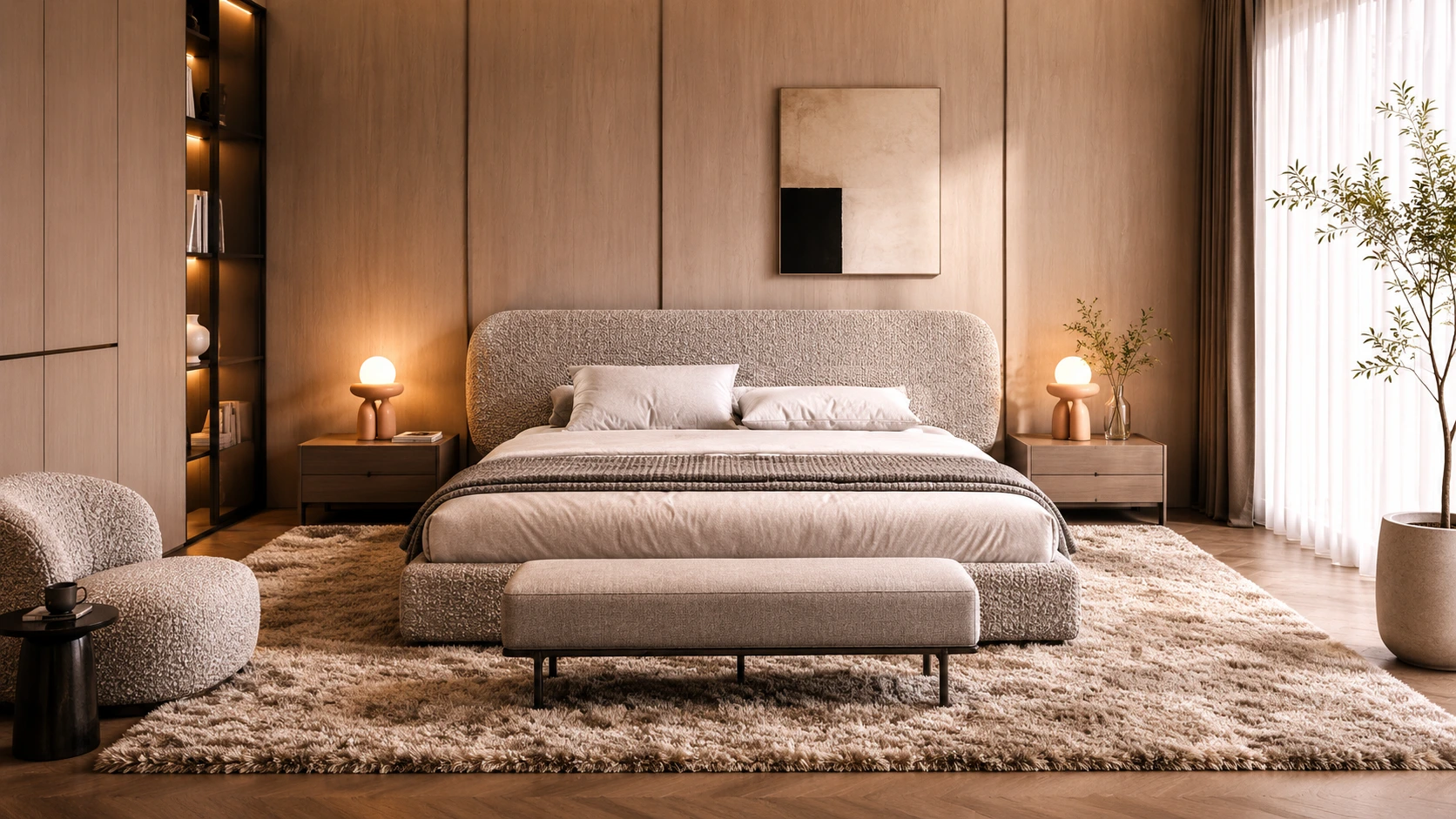
Open-concept living has become the defining layout of modern homes, merging kitchen, dining, and living areas into one expansive space. While this design fosters connection and natural light, it also presents a unique challenge: how to define distinct zones without erecting walls. The solution often lies in the strategic use of large floor coverings. A spacious rug does more than soften footsteps or add warmth; it acts as an artistic anchor, visually separating a seating area from a dining nook while tying the entire room together with color, texture, and pattern. For homeowners seeking both function and aesthetic cohesion, understanding the role of these oversized textiles is essential. From a designer’s perspective, a well-chosen floor covering is the single most impactful element in harmonizing an open floor plan, transforming a cavernous space into a series of intimate, purposeful vignettes.
The Functional Foundation of Spacious Rugs
Large rugs, typically measuring around 8×10 or 9×12 feet, serve a critical structural purpose in open layouts. They create a visual “island” that grounds furniture groupings, preventing the room from feeling like a vast, empty warehouse. When placed under a sofa, coffee table, and accent chairs, the rug defines the living zone and gives the eye a clear boundary. This psychological cue helps residents and guests intuitively understand the room’s flow. Moreover, these coverings absorb sound, reduce echo in high-ceilinged spaces, and provide a soft surface underfoot—an especially welcome feature in homes with hardwood or tile flooring. The right size ensures that furniture sits comfortably on the rug, with at least the front legs of sofas and chairs resting on it, creating a unified look rather than a floating arrangement.
Choosing Colors and Patterns for Visual Impact
Color selection is paramount when selecting a large floor covering for an open plan. Neutral tones like beige, gray, or cream offer versatility and allow other decor elements—such as throw pillows, wall art, or curtains—to stand out. However, bold patterns or rich jewel tones can inject personality and become the room’s focal point. Geometric designs, abstract motifs, or traditional medallions each evoke a different mood. For instance, a low-contrast, monochromatic pattern can make a space feel larger and more serene, while a high-contrast, vibrant design adds energy and dimension. The key is to balance the rug’s visual weight with the surrounding furniture. If the sofa is solid-colored, a patterned rug adds interest; if the sofa has a strong texture, a simpler rug prevents competition. This interplay of colors and patterns directly influences the room’s atmosphere, making the selection process both creative and strategic.
Material Matters: Durability and Comfort
The material of a large rug determines its longevity, feel, and maintenance requirements. Wool remains a top choice for its natural resilience, stain resistance, and softness underfoot. It holds dye well, producing vibrant colors that fade gracefully over time. Synthetic fibers like polypropylene or nylon offer affordability and easy cleaning, making them ideal for high-traffic areas or homes with children and pets. Natural fibers such as jute or sisal bring organic texture and durability but can be rougher and less stain-resistant. Blended materials combine the best of both worlds—wool’s comfort with synthetic’s practicality. When evaluating options, consider the room’s foot traffic, exposure to sunlight, and cleaning habits. A dense, low-pile rug is easier to vacuum and less likely to trap dirt, while a high-pile shag provides luxurious comfort but demands more upkeep. The material directly affects how the rug performs over years of daily use.
Sizing and Placement Strategies
Proper sizing ensures that a large rug enhances rather than overwhelms the space. In a living area, the rug should extend beyond the coffee table and allow the front legs of all seating to rest on it. For dining areas, the rug must be large enough to accommodate the table and chairs even when chairs are pulled out. A common mistake is choosing a rug too small, which makes furniture appear disconnected and the room feel fragmented. In open layouts, using multiple rugs can define separate zones—one for the living area and another for the dining or entryway—but they should coordinate in color or style to maintain visual flow. Leaving at least 12 to 18 inches of bare floor around the rug’s edges creates a balanced border that frames the space without crowding it.
Integrating Texture for Depth
Texture is an often-overlooked element in rug selection, yet it profoundly affects a room’s tactile and visual richness. A flat-weave rug offers a sleek, modern feel, while a hand-knotted wool rug introduces depth through its varied pile. Combining textures—such as a soft, plush rug with a smooth leather sofa or a nubby wool rug with a sleek glass coffee table—creates contrast that makes the space feel curated and lived-in. Many users find that www.rugstown.com/rugs/9-x-12 provides a wide array of texture options, from shaggy to tightly woven, allowing homeowners to experiment with feel as well as appearance. This interplay of textures not only adds visual interest but also enhances the sensory experience of the room, making it more inviting and comfortable.
Maintenance and Longevity
Preserving the beauty of a large rug requires regular care. Vacuuming at least once a week prevents dirt from settling into fibers, which can cause premature wear. Rotating the rug every six months ensures even exposure to sunlight and foot traffic, preventing uneven fading. Professional cleaning every one to two years removes deep-set stains and allergens. For spills, immediate blotting—not rubbing—prevents stains from setting. Using a rug pad underneath is crucial; it prevents slipping, reduces wear, and adds cushioning. With proper maintenance, a quality rug can last decades, making it a worthwhile investment. Materials like wool and synthetic blends respond well to cleaning, while natural fibers may require gentler treatment. Understanding these care requirements helps homeowners choose a rug that fits their lifestyle and commitment level.
The Emotional Impact of Floor Coverings
Beyond functionality, large rugs shape the emotional tone of a home. A warm, richly colored rug can make a vast room feel cozy and intimate, while a light, airy design promotes openness and calm. Patterns can evoke nostalgia or modern energy, influencing how occupants feel in the space. From a psychological standpoint, the rug acts as the room’s “ground,” providing a sense of stability and belonging. In open floor plans, where multiple activities occur simultaneously, a well-chosen rug can create a quiet sanctuary within the larger environment. This emotional resonance is why designers often prioritize rug selection as the first step in decorating a room—it sets the mood and guides all subsequent choices. The right floor covering transforms a house into a home, one square foot at a time.
Budgeting for Quality
Investing in a large rug is a significant decision, but it does not have to break the bank. Prices vary widely based on material, construction method, and brand. Hand-knotted wool rugs from regions like Persia or India can be expensive due to their craftsmanship, but they offer unparalleled durability and artistry. Machine-made rugs from synthetic materials are more affordable and still provide excellent performance. Setting a budget beforehand helps narrow options and prevents impulse purchases. Consider the rug’s lifespan: a higher upfront cost may be justified if the rug lasts 20 years, while a cheaper rug that wears out in five years may cost more in the long run. Sales and clearance events offer opportunities to acquire quality pieces at reduced prices, making it possible to invest in a rug that elevates the entire home without overspending.
Final Thoughts on Selecting the Perfect Rug
Choosing a large floor covering for an open floor plan is both an art and a science. It requires balancing size, color, material, texture, and maintenance to create a cohesive, functional, and beautiful space. The rug serves as the artistic backdrop that unifies diverse elements—furniture, walls, lighting, and decor—into a harmonious whole. By taking the time to assess your needs, measure your space, and explore options thoughtfully, you can find a rug that not only anchors your room but also reflects your personal style. Whether you prefer the timeless elegance of wool, the practicality of synthetics, or the natural charm of jute, the perfect rug awaits. With careful consideration and a bit of creativity, your open floor plan can become a showcase of design excellence, where every zone feels intentional and every step lands on comfort.
About the Author