
In today’s fast-paced digital world, time is of the essence. Whether you are a student, professional, or content creator, converting images into editable text quickly can make a huge difference. This is where a Pic to Text converter comes into play.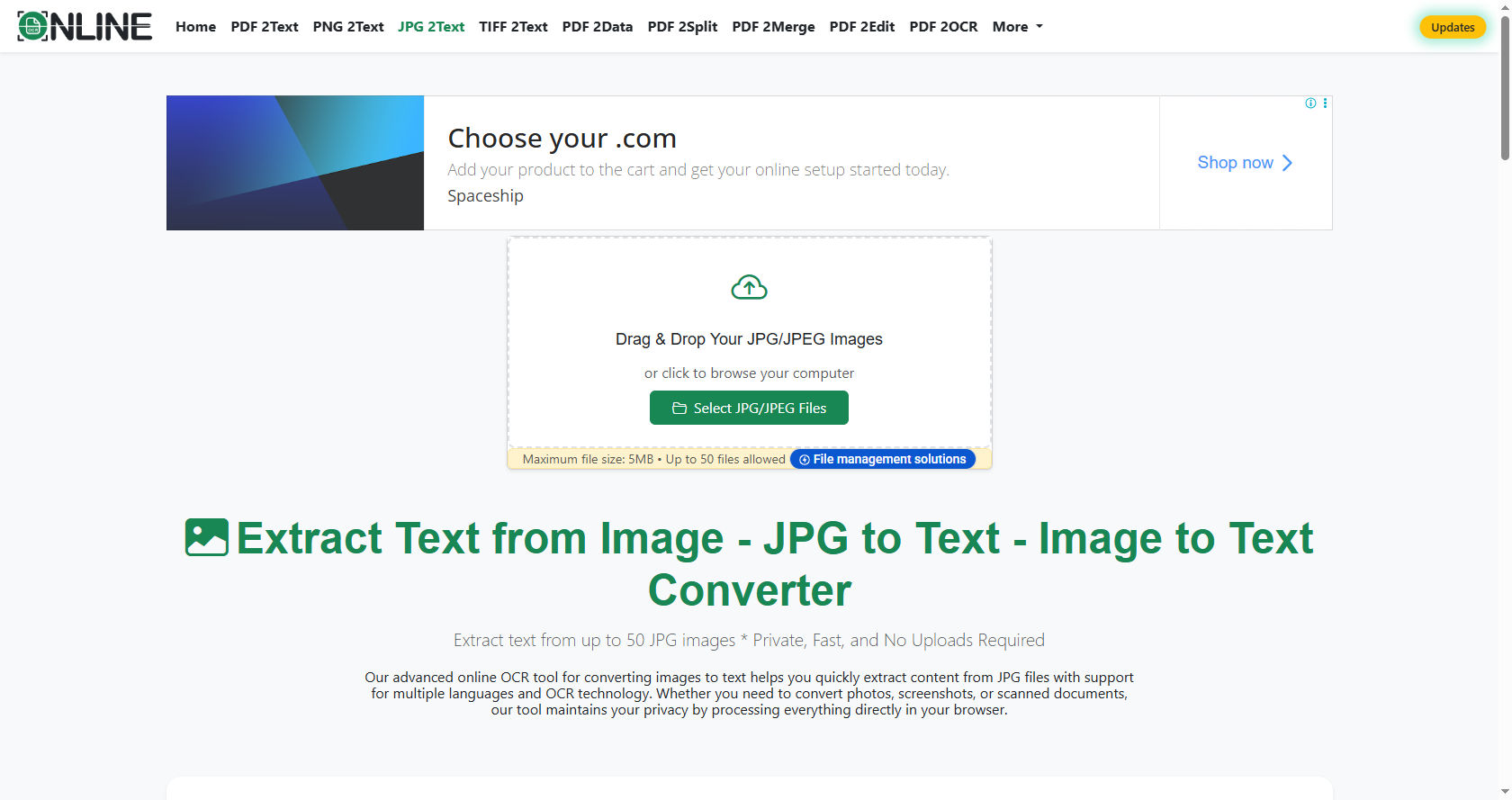
Unlike manual typing, which can be time-consuming and prone to errors, a Pic to Text tool automates the process, allowing you to extract information from images instantly.
But why does this matter, and how can it impact your productivity and efficiency? This guide explores the importance of fast Pic to Text converters, their benefits, and practical applications in daily life.
What is a Pic to Text Converter?
A Pic to Text converter is a software tool that uses Optical Character Recognition (OCR) technology to scan images and transform them into editable text. It can process photographs, screenshots, scanned documents, and even handwritten notes, converting them into a format you can easily edit, search, and store. This technology eliminates the need to manually type out information, saving both time and effort.
Modern Pic to Text converters are faster and more accurate than ever before. Advanced AI and machine learning algorithms now allow these tools to recognize different fonts, handwriting styles, and languages. Whether you have a simple text image or a complex document, a fast Pic to Text converter can handle it efficiently.
How Pic to Text Works
The working of a Pic to Text converter is fascinating and involves multiple steps:
-
Image Preprocessing: The converter first enhances the image for better recognition. This may include adjusting brightness, contrast, and removing noise.
-
Text Detection: The tool identifies areas in the image that contain text. This is critical because not all images contain only text; there may be graphics, logos, or backgrounds.
-
Character Recognition: Using OCR, each character in the detected text area is recognized and mapped to its corresponding digital character.
-
Text Output: The final step converts recognized characters into editable and searchable text, which can then be copied, stored, or edited in word processors.
This process is usually completed in seconds with a fast Pic to Text converter, which is why it is preferred over traditional methods of manual transcription.
Benefits of Using a Fast Pic to Text Converter
The advantages of using a fast Pic to Text converter are numerous. Let’s explore them in detail.
1. Saves Time and Effort
Manual typing is slow and exhausting, especially when dealing with long documents or multiple images. A Pic to Text converter reduces this effort to mere seconds. Imagine scanning a page from a textbook or a research article and having it instantly transformed into editable text. This is particularly helpful for students preparing assignments or professionals handling reports.
2. Increases Accuracy
Human error is common when typing text from images. Misreading a word or missing a line can lead to mistakes in important documents. Pic to Text converters, especially advanced ones, can recognize text with high accuracy, ensuring the digital version mirrors the original content.
3. Supports Multiple Formats
Modern converters can handle various image formats like JPG, PNG, TIFF, and PDF. Whether your content is a scanned book page, a screenshot, or a photo, the converter can process it efficiently. This versatility is invaluable for professionals working with diverse content types.
4. Enhances Accessibility
A fast Pic to Text converter makes content more accessible. For instance, visually impaired users can convert printed materials into text that can be read aloud by screen readers. Similarly, digital text can be translated into other languages or used in assistive devices.
5. Improves Organization and Searchability
When text is extracted from images and stored digitally, it becomes searchable. This is particularly useful for research purposes, business records, and content management. A searchable digital archive saves time compared to flipping through physical documents.
6. Facilitates Content Editing
Once an image is converted to text, it can be edited, formatted, and repurposed. This is helpful for content creators who want to reuse material from images, update old documents, or create digital copies of handwritten notes.
Practical Applications of Pic to Text Converters
A fast Pic to Text converter is more than a productivity tool—it has real-life applications across various sectors.
1. Education
Students can scan textbooks, handwritten notes, or worksheets and convert them into editable text. This simplifies studying, note-taking, and sharing materials. Teachers can digitize exam papers, assignments, or learning materials, making grading and distribution more efficient.
2. Business and Office Work
Professionals often deal with scanned invoices, receipts, contracts, and reports. A Pic to Text converter allows them to digitize these documents, making record-keeping, editing, and sharing seamless. It also reduces the need for manual data entry.
3. Research and Academia
Researchers can extract text from scientific journals, papers, or handwritten notes quickly. This accelerates the literature review process and ensures accuracy when compiling data.
4. Content Creation
Writers, bloggers, and marketers often reuse or reference printed material. Converting images to text enables them to quickly incorporate content into articles, social media posts, or presentations without manually retyping everything.
5. Personal Use
Even for everyday tasks, a Pic to Text converter is handy. You can convert business cards into contacts, scan handwritten notes for reminders, or digitize recipes for easy access.
Features to Look for in a Fast Pic to Text Converter
Not all Pic to Text converters are created equal. When choosing one, consider these features:
1. Speed
The primary advantage of a Pic to Text converter is speed. Look for a tool that can process multiple images quickly without compromising accuracy.
2. Accuracy
High accuracy is critical, especially when dealing with legal documents, research papers, or official records. Advanced OCR technology ensures minimal errors.
3. Multi-Language Support
If you work with content in multiple languages, choose a converter that supports a wide range of languages. This expands its usability significantly.
4. File Format Compatibility
Ensure the converter supports the file types you frequently use, such as JPG, PNG, TIFF, or PDF. Some tools also allow batch processing, which saves time when working with multiple files.
5. Editing and Export Options
A good Pic to Text converter should allow you to edit the text after conversion and export it in various formats like Word, TXT, or PDF.
6. User-Friendly Interface
Ease of use is essential, especially for students and professionals who need a simple, straightforward solution without a steep learning curve.
7. Security and Privacy
Since documents may contain sensitive information, the converter should ensure secure processing. Tools that operate offline or use encrypted channels are preferable.
Challenges and Limitations
While fast Pic to Text converters are powerful, they are not without limitations. Understanding these challenges helps set realistic expectations.
1. Handwriting Recognition
Although OCR technology has improved, recognizing messy or cursive handwriting can still be challenging. Some converters may struggle with irregular fonts or poorly scanned images.
2. Complex Layouts
Documents with columns, tables, or mixed content may not always convert perfectly. Manual adjustments might be required after conversion.
3. Language and Character Support
While many tools support multiple languages, rare scripts or characters may not be recognized accurately.
4. Image Quality Dependency
Low-resolution or blurry images can reduce the accuracy of text extraction. A clear and well-lit image ensures the best results.
Despite these challenges, modern Pic to Text converters continue to improve, and for most practical purposes, they offer a significant advantage over manual transcription.
Tips for Using a Pic to Text Converter Effectively
To get the most out of a fast Pic to Text converter, consider these tips:
-
Use high-quality images: Clear images with good lighting and contrast improve accuracy.
-
Scan text at a straight angle: Avoid tilted or skewed images to prevent recognition errors.
-
Review converted text: Always proofread the output for minor errors, especially for important documents.
-
Use batch processing: If converting multiple images, choose a tool that allows batch conversion to save time.
-
Keep software updated: Updates often include improved OCR algorithms and language support.
Future of Pic to Text Technology
The future of Pic to Text converters looks promising. With advances in AI, machine learning, and computer vision, these tools are becoming smarter and more accurate. Future developments may include:
-
Real-time text recognition using smartphone cameras.
-
Improved handwriting recognition for messy notes.
-
Enhanced multi-language support and automatic translation.
-
Integration with cloud storage and productivity apps for seamless workflow.
As technology evolves, Pic to Text converters will continue to become an indispensable tool in both professional and personal settings.
Conclusion
In conclusion, a fast Pic to Text converter is more than just a convenience—it is a powerful productivity tool that saves time, improves accuracy, and enhances accessibility. From students digitizing notes to professionals managing documents, the applications are endless. While challenges like handwriting recognition and complex layouts exist, modern converters handle most tasks efficiently, making them essential in today’s fast-paced world.
By incorporating a Pic to Text converter into your workflow, you can transform the way you handle information, reduce manual effort, and increase efficiency. Whether for education, business, research, or personal use, the ability to instantly convert images into editable text matters more than ever. Investing in a reliable, fast, and accurate Pic to Text tool is a step toward smarter work, better organization, and greater productivity.
About the Author


