
Packaging automation in manufacturing is the use of machines and integrated systems to perform packaging tasks with minimal human involvement. In modern production lines, a Packaging Machine plays a central role in improving speed, accuracy, and consistency.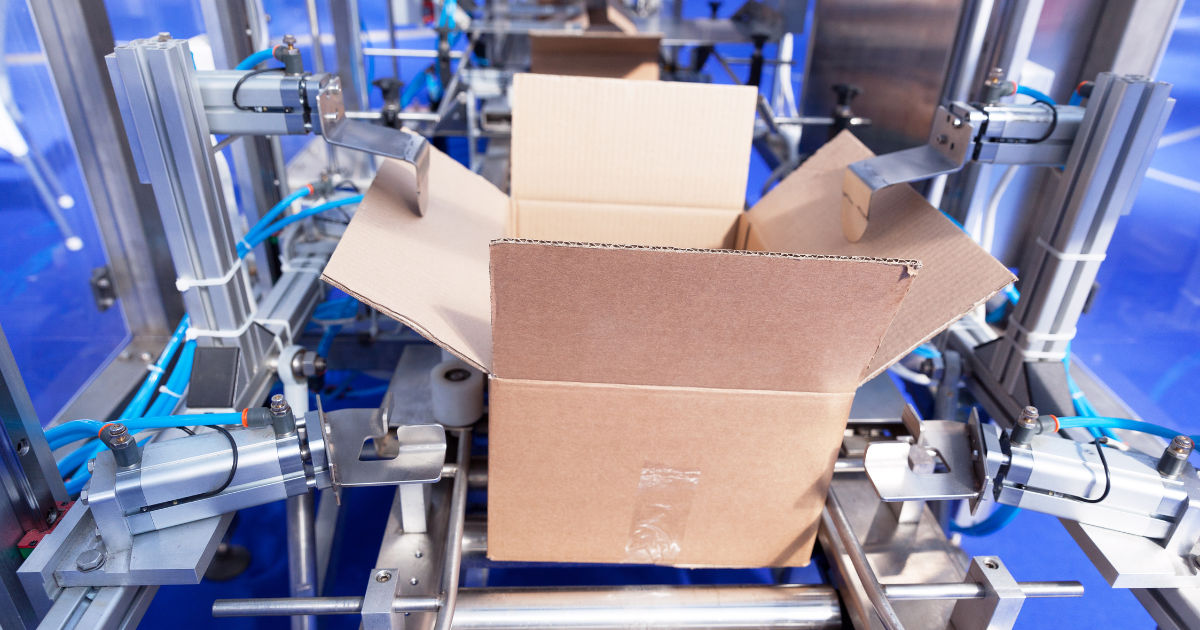
A Packaging Machine helps manufacturers handle filling, sealing, labeling, wrapping, and palletizing in a streamlined way. With industrial demand increasing, a Packaging Machine has become essential for companies aiming to stay competitive and efficient.
In simple terms, packaging automation replaces manual labor with technology-driven systems. A Packaging Machine ensures that products are packed faster and with fewer errors than human workers can achieve alone.
From food and beverages to pharmaceuticals and electronics, a Packaging Machine is now a core part of nearly every manufacturing sector. As industries grow, the reliance on a Packaging Machine continues to expand, making production smarter and more cost-effective.
This guide explains everything about packaging automation, how it works, its components, benefits, challenges, and future trends in a clear and easy-to-understand way.
Packaging Automation in Manufacturing
Packaging automation refers to a system where machines handle packaging tasks such as filling containers, sealing products, labeling, and preparing goods for shipment. At the center of this system is the Packaging Machine, which performs specific tasks with precision.
A Packaging Machine reduces the need for manual labor and ensures consistency across large production volumes. In a manufacturing environment, multiple machines can be linked together to form a complete packaging line. Each Packaging Machine in the line performs a dedicated function, ensuring smooth workflow.
Modern factories depend heavily on automation because it increases productivity. A Packaging Machine can work continuously without fatigue, making it far more efficient than manual packaging methods. Additionally, a Packaging Machine reduces product waste and improves quality control.
Packaging automation is not limited to large industries. Even small and medium businesses now use a Packaging Machine to stay competitive in the market. This shift has transformed manufacturing into a more technology-driven field.
How Packaging Automation Works
Packaging automation works through a sequence of coordinated steps controlled by machines and sensors. A Packaging Machine is programmed to perform each task accurately and consistently.
First, products are prepared for packaging. A Packaging Machine then fills containers with the correct amount of product. After filling, another Packaging Machine may seal or close the package to ensure safety and freshness.
Next, labeling and coding are applied. A Packaging Machine prints and attaches labels containing product details, batch numbers, or expiry dates. Finally, a Packaging Machine may group products into cartons or prepare them for shipping.
Sensors and control systems play a major role in ensuring that every Packaging Machine operates correctly. These systems detect errors, adjust speed, and maintain quality standards.
In advanced factories, multiple Packaging Machine units are connected through a central control system. This allows real-time monitoring and coordination, ensuring smooth production flow.
Components of an Automated Packaging System
An automated packaging system is made up of several important components working together. The Packaging Machine is the most critical part, but it operates alongside other equipment.
Conveyor Systems
Conveyors move products between different stages of packaging. A Packaging Machine often depends on conveyor belts to receive and transfer products efficiently.
Filling Equipment
Filling systems measure and dispense products into containers. A Packaging Machine designed for filling ensures accuracy and reduces product waste.
Sealing Units
Sealing equipment closes packages securely. A Packaging Machine used for sealing ensures that products remain safe during storage and transport.
Labeling Systems
Labeling machines attach important product information. A Packaging Machine used for labeling ensures clarity and compliance with regulations.
Control Systems
Control systems manage the entire packaging process. Each Packaging Machine is connected to sensors and software that regulate performance and detect issues.
Together, these components create a fully automated system where every Packaging Machine plays a specific role in improving efficiency.
Types of Packaging Machines in Manufacturing
There are several types of equipment used in automation, and each Packaging Machine serves a unique purpose.
Filling Packaging Machine
A filling Packaging Machine is used to measure and fill liquids, powders, or granules into containers. It ensures accuracy and consistency in every unit.
Sealing Packaging Machine
A sealing Packaging Machine closes packages using heat, pressure, or adhesives. This ensures product safety and durability.
Wrapping Packaging Machine
A wrapping Packaging Machine covers products in protective film or material. It is commonly used in food and retail industries.
Labeling Packaging Machine
A labeling Packaging Machine applies product labels with important information such as branding and expiration dates.
Cartoning Packaging Machine
A cartoning Packaging Machine places products into boxes or cartons, preparing them for shipment.
Each Packaging Machine type contributes to a complete packaging line that improves speed and efficiency in manufacturing.
Benefits of Packaging Automation
Packaging automation offers many advantages to manufacturers. A Packaging Machine significantly improves productivity and reduces costs.
Increased Efficiency
A Packaging Machine works faster than manual labor, allowing companies to produce more goods in less time.
Improved Accuracy
A Packaging Machine ensures precise measurements and consistent packaging quality.
Reduced Labor Costs
With automation, fewer workers are needed. A Packaging Machine reduces dependency on manual labor.
Better Product Safety
A Packaging Machine ensures hygienic and secure packaging, especially in food and pharmaceutical industries.
Scalability
As demand grows, a Packaging Machine system can easily scale up production without major changes.
Reduced Waste
A Packaging Machine minimizes errors, reducing material and product waste.
Overall, investing in a Packaging Machine helps manufacturers improve performance and profitability.
Industries Using Packaging Automation
Packaging automation is used across many industries, each relying on a Packaging Machine for efficiency.
Food and Beverage Industry
A Packaging Machine is widely used to package snacks, drinks, frozen foods, and dairy products.
Pharmaceutical Industry
A Packaging Machine ensures accurate dosing and safe packaging of medicines.
Cosmetics Industry
Beauty products rely on a Packaging Machine for filling, sealing, and labeling.
Electronics Industry
A Packaging Machine protects sensitive electronic components during transport.
E-commerce and Retail
Online businesses depend on a Packaging Machine to prepare goods quickly for delivery.
In all these industries, a Packaging Machine ensures quality, safety, and efficiency.
Challenges in Packaging Automation
Despite its benefits, packaging automation also has challenges. A Packaging Machine requires proper setup, maintenance, and investment.
High Initial Cost
A Packaging Machine can be expensive to install, especially for small businesses.
Technical Maintenance
Regular maintenance is needed to keep a Packaging Machine running smoothly.
Skilled Operators
Operating a Packaging Machine requires trained staff.
System Complexity
Large automated systems with multiple Packaging Machine units can be complex to manage.
Downtime Risks
If a Packaging Machine fails, production may slow down until repairs are made.
However, these challenges can be managed with proper planning and training.
Future Trends in Packaging Automation
The future of packaging automation is highly advanced and technology-driven. A Packaging Machine is becoming smarter with the help of AI and robotics.
Smart Packaging Systems
Future Packaging Machine systems will use artificial intelligence for better decision-making.
IoT Integration
A Packaging Machine will be connected to the internet for real-time monitoring.
Robotics in Packaging
Robots will work alongside each Packaging Machine to improve speed and precision.
Sustainable Packaging
Eco-friendly systems will make each Packaging Machine more environmentally responsible.
Fully Automated Factories
Future factories will rely almost entirely on automated Packaging Machine systems.
These innovations will make manufacturing faster, safer, and more efficient.
How to Implement Packaging Automation in Manufacturing
Implementing automation requires careful planning. A Packaging Machine should be selected based on production needs.
First, manufacturers must analyze their production line. Then, they choose the right Packaging Machine for each stage of packaging.
Next, installation and testing are performed. A Packaging Machine must be calibrated for accuracy.
Training employees is also important so they can operate each Packaging Machine effectively.
Finally, continuous monitoring ensures that every Packaging Machine performs efficiently.
With proper implementation, automation can transform production quality and speed.
Maintenance and Optimization of Packaging Systems
Maintaining a Packaging Machine is essential for long-term performance.
Regular cleaning ensures that a Packaging Machine remains hygienic and efficient. Routine inspections help detect issues early.
Lubrication and part replacement keep each Packaging Machine running smoothly.
Software updates improve the performance of automated Packaging Machine systems.
Proper maintenance reduces downtime and extends the life of every Packaging Machine in the system.
Conclusion
Packaging automation in manufacturing has revolutionized how products are produced and delivered. A Packaging Machine is at the heart of this transformation, enabling faster, safer, and more efficient production processes. From filling and sealing to labeling and shipping, a Packaging Machine ensures accuracy and consistency at every stage.
As industries continue to evolve, the role of a Packaging Machine will become even more important. Businesses that invest in automation gain a strong competitive advantage through improved productivity and reduced costs. Although there are challenges such as investment costs and maintenance needs, the long-term benefits of a Packaging Machine far outweigh the drawbacks.
In the future, smart technologies, robotics, and AI will make the Packaging Machine even more advanced and efficient. This evolution will lead to fully automated factories where human effort is focused mainly on supervision and innovation rather than manual labor.
Ultimately, packaging automation is not just a trend—it is the future of manufacturing. A Packaging Machine represents progress, efficiency, and industrial growth, making it a vital part of modern production systems.
About the Author