When you buy a new home or finish a renovation, everything might look perfect at first glance. But often, small issues go unnoticed—unless you look closely. That’s where snagging comes in.
Snagging is the final check that protects your investment. It helps you catch minor (and sometimes major) faults before you move in or hand over a property. Whether it’s a missing tile, poor paintwork, or a leaky tap, snagging ensures nothing slips through the cracks.
What is Snagging?
Snagging is the process of inspecting a property for defects after construction is complete but before final handover. These defects—called “snags”—can include anything that’s broken, incomplete, or not up to standard.
The goal is to identify these problems early, document them, and send a list to the builder or contractor so they can fix everything before you move in.
Why is Snagging So Important?
-
Saves you money: Builders usually fix snags at no cost if reported on time.
-
Prevents future problems: Small defects can turn into big issues if ignored.
-
Ensures quality: You get the level of finish and function you paid for.
-
Brings peace of mind: You move in knowing everything works as it should.
Without snagging, you risk inheriting costly repair jobs later—and often with no legal backup.
What Kind of Defects Does Snagging Catch?
Snagging helps spot a wide range of issues, including:
-
Cracks in walls or ceilings
-
Uneven or broken tiles
-
Poor paint finish
-
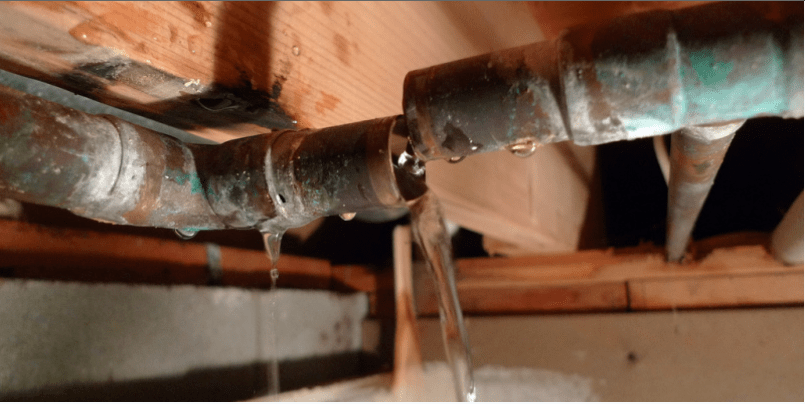
Leaking taps or pipes
-
Loose electrical sockets
-
Faulty air conditioning
-
Damaged doors or misaligned windows
-
Incomplete fittings or missing hardware
Even things like insulation gaps or drainage slope issues can be flagged during snagging if a professional is involved.
Who Should Do the Snagging?
You can try doing it yourself with a checklist—but hiring a professional snagging inspector is highly recommended. They know what to look for, use specialized tools, and give you a clear, photo-documented report to share with your builder.
This is especially helpful if you're buying off-plan, managing a property remotely, or just want to be sure nothing is missed.
When Should Snagging Be Done?
-
Just before property handover
-
Right after renovation or fit-out
-
Before renting or leasing a new space
-
When buying remotely or off-plan
It’s best to complete snagging before you sign final documents or move in—so repairs stay the builder’s responsibility.
Conclusion
Snagging may seem like a small step, but it makes a big difference. It’s your final chance to make sure your property is finished to the right standard and free from faults.
So, whether you’re a new homeowner, landlord, or investor, don’t skip the snagging. A short inspection now can save you time, money, and stress later.
FAQs About Snagging
1. Is snagging only for new homes?
Mostly, yes. But it’s also useful after renovations or fit-outs.
2. How long does snagging take?
Usually 2–4 hours, depending on property size.
3. Can I do snagging myself?
Yes, but professionals are more thorough and accurate.
4. Will the builder fix the snags?
Yes—if they’re reported during the agreed defect liability period.
5. How much does professional snagging cost?
It depends on the size of the property, but typically ranges from AED 800 to AED 3,000.
About the Author