
Desiccant Container Strips play a very important role in protecting goods from moisture damage during storage and transportation.
From shipping containers to warehouses and even small storage rooms, these strips help control humidity and prevent mold, corrosion, odor, and spoilage. However, their performance depends heavily on how they are stored before use. Improper storage can reduce their moisture-absorbing ability and make them ineffective when you need them most.
This comprehensive guide explains everything you need to know about how to store Desiccant Container Strips correctly. You will learn why proper storage matters, what conditions are best, common mistakes to avoid, and long-term storage tips. The language is simple, the explanations are clear, and the structure is easy to follow for a 12th-grade reading level.
Desiccant Container Strips
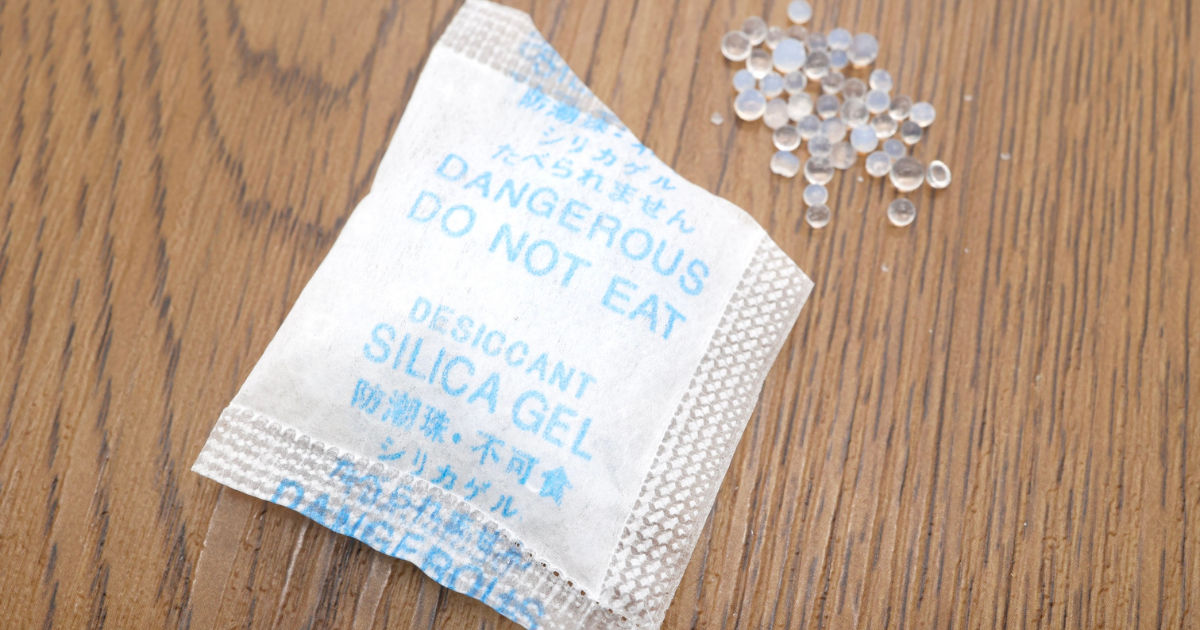
Desiccant Container Strips are moisture-absorbing products designed to control humidity inside enclosed spaces. They usually contain materials such as calcium chloride, silica gel, or clay. These substances attract and trap moisture from the air, helping keep environments dry.
These strips are commonly used in shipping containers, cargo boxes, warehouses, and storage units. They are especially useful for protecting products like electronics, textiles, leather goods, food packaging, pharmaceuticals, and metal parts.
Because Desiccant Container Strips absorb moisture continuously, they must be kept dry before use. If they absorb humidity during storage, they may not work properly later.
Why Proper Storage of Desiccant Container Strips Matters
Storing Desiccant Container Strips the right way ensures they remain effective until they are needed. When exposed to moisture too early, they begin absorbing water from the surrounding air. This reduces their capacity to protect goods once installed.
Poor storage can lead to clumping, leakage, or chemical breakdown of the desiccant material. In some cases, improperly stored Desiccant Container Strips may even damage nearby items.
Correct storage practices help maintain product quality, reduce waste, save money, and ensure reliable moisture control during shipping or storage.
Ideal Storage Environment for Desiccant Container Strips
Dry Conditions Are Essential
The most important rule when storing Desiccant Container Strips is to keep them in a dry environment. Moisture is their main enemy before use. Storage areas should have low humidity and good air control.
If possible, store Desiccant Container Strips in climate-controlled rooms. Avoid damp basements, open warehouses, or areas exposed to rain or condensation.
Controlled Temperature
Extreme temperatures can affect the performance of Desiccant Container Strips. Very high heat can damage packaging materials, while freezing temperatures may weaken seals or cause condensation when temperatures rise again.
A stable, moderate temperature is ideal. Room temperature storage works best and helps preserve the integrity of the strips.
Protection from Direct Sunlight
Direct sunlight can heat up packaging and create internal condensation. Over time, this can activate Desiccant Container Strips prematurely.
Always store them away from windows or direct sun exposure. Use shelves or storage cabinets that provide shade and protection.
Original Packaging and Its Importance
Keep Them Sealed Until Use
Desiccant Container Strips are usually packed in airtight, moisture-proof packaging. This packaging is designed to protect them from humidity until they are ready to be installed.
Never open the packaging early unless you plan to use the strips immediately. Once opened, the desiccant begins absorbing moisture from the air.
Do Not Repackage Casually
Repackaging Desiccant Container Strips into ordinary plastic bags or boxes can expose them to air and humidity. If original packaging is damaged, use high-quality moisture barrier bags with proper sealing.
Always label repackaged strips clearly to avoid confusion and accidental exposure.
Storage Position and Arrangement
Store Off the Floor
Storing Desiccant Container Strips directly on the floor can expose them to moisture from spills, leaks, or condensation. Floors are often cooler and more humid than shelves.
Use pallets, racks, or shelves to keep strips elevated and protected.
Avoid Overstacking
Heavy stacking can damage packaging and cause leaks or tears. When storing large quantities of Desiccant Container Strips, stack them carefully and avoid crushing pressure.
Proper spacing also improves air circulation and reduces the risk of localized humidity buildup.
Short-Term vs Long-Term Storage
Short-Term Storage Tips
For short-term storage, Desiccant Container Strips should remain sealed and placed in a dry, temperature-stable area. Even a few days of exposure to humid air can reduce effectiveness.
Check packaging regularly for signs of damage or moisture absorption.
Long-Term Storage Best Practices
Long-term storage requires extra care. Desiccant Container Strips stored for months should be kept in airtight containers with additional moisture barriers if possible.
Consider adding secondary desiccants in the storage area to control humidity further. Regular inspections help ensure the strips remain usable.
Common Mistakes to Avoid When Storing Desiccant Container Strips
One common mistake is opening packages too early. Even brief exposure can activate Desiccant Container Strips.
Another mistake is storing them near water sources, such as sinks, bathrooms, or loading docks. High humidity in these areas can damage the strips.
Ignoring temperature fluctuations is also a problem. Sudden changes can cause condensation inside packaging.
Finally, failing to check expiration dates or storage conditions can result in ineffective moisture control when the strips are finally used.
Handling Desiccant Container Strips Safely During Storage
Always handle Desiccant Container Strips with clean, dry hands. Moisture from hands can damage packaging or activate the strips.
Avoid dragging packages across wet surfaces. Use carts or clean shelves to move them safely.
If a package feels damp or swollen, it may already be compromised. Separate it from dry stock and inspect carefully.
Storage in Warehouses and Industrial Settings
Warehouse Climate Control
Warehouses storing Desiccant Container Strips should maintain humidity control systems. Dehumidifiers and proper ventilation help maintain a suitable environment.
Temperature monitoring systems can alert staff to conditions that may harm stored strips.
Inventory Rotation
Using a first-in, first-out system helps ensure older Desiccant Container Strips are used before newer stock. This reduces the risk of long-term exposure and quality loss.
Clear labeling with storage dates makes inventory management easier and more reliable.
Storage at Home or Small Facilities
Even in small storage spaces, Desiccant Container Strips require proper care. A dry closet or cabinet works better than garages or sheds.
Avoid storing them near cleaning chemicals or strong odors, as packaging materials may absorb smells.
Use sealed plastic bins with tight lids for added protection in home environments.
Signs That Desiccant Container Strips Were Stored Incorrectly
Improperly stored Desiccant Container Strips may show visible signs. These include swelling, clumping, leaks, or unusual weight increase.
Packaging may appear damp or discolored. In some cases, the strips may already feel heavy due to absorbed moisture.
Using compromised Desiccant Container Strips can lead to poor moisture control and potential damage to stored goods.
What to Do If Desiccant Container Strips Are Exposed to Moisture
If Desiccant Container Strips are exposed briefly, resealing them quickly may limit damage. However, prolonged exposure usually means reduced effectiveness.
Do not attempt to dry or reuse moisture-saturated strips. This can be unsafe and unreliable.
It is best to replace compromised Desiccant Container Strips to ensure proper protection.
Storage Safety and Environmental Considerations
Desiccant Container Strips often contain chemical compounds that should be stored responsibly. Keep them away from children and pets.
Follow manufacturer guidelines for storage and disposal. Proper storage reduces waste and environmental impact.
Safe storage practices also protect workers and reduce the risk of leaks or accidents.
Quality Control and Regular Inspection
Regular inspection is an important part of storing Desiccant Container Strips. Check packaging condition, dryness, and labeling at scheduled intervals.
Record inspections to track storage conditions over time. This helps identify problem areas early.
Consistent quality control ensures that Desiccant Container Strips perform as expected when deployed.
Best Storage Practices for Maximum Effectiveness
To summarize best practices, always store Desiccant Container Strips in dry, cool, and shaded areas. Keep them sealed until use and avoid unnecessary handling.
Use proper shelving, climate control, and inventory management systems. Train staff or household members on correct storage methods.
These steps ensure Desiccant Container Strips remain effective and reliable.
Conclusion
Proper storage of Desiccant Container Strips is just as important as choosing the right type for moisture control. When stored incorrectly, these strips can lose their effectiveness long before they are used. By understanding how moisture, temperature, and handling affect them, you can protect their performance and extend their shelf life.
Keeping Desiccant Container Strips sealed in their original packaging, stored in dry and stable environments, and inspected regularly ensures they are ready to perform when needed. Whether in large warehouses or small storage rooms, the same principles apply. Careful storage saves money, prevents product damage, and ensures dependable humidity control.
By following the guidance in this comprehensive guide, you can confidently store Desiccant Container Strips the right way and maintain their full moisture-absorbing power.
About the Author
