In recent years, streetwear culture has exploded globally, shaping how young people express themselves through clothing, accessories, and even lifestyle choices.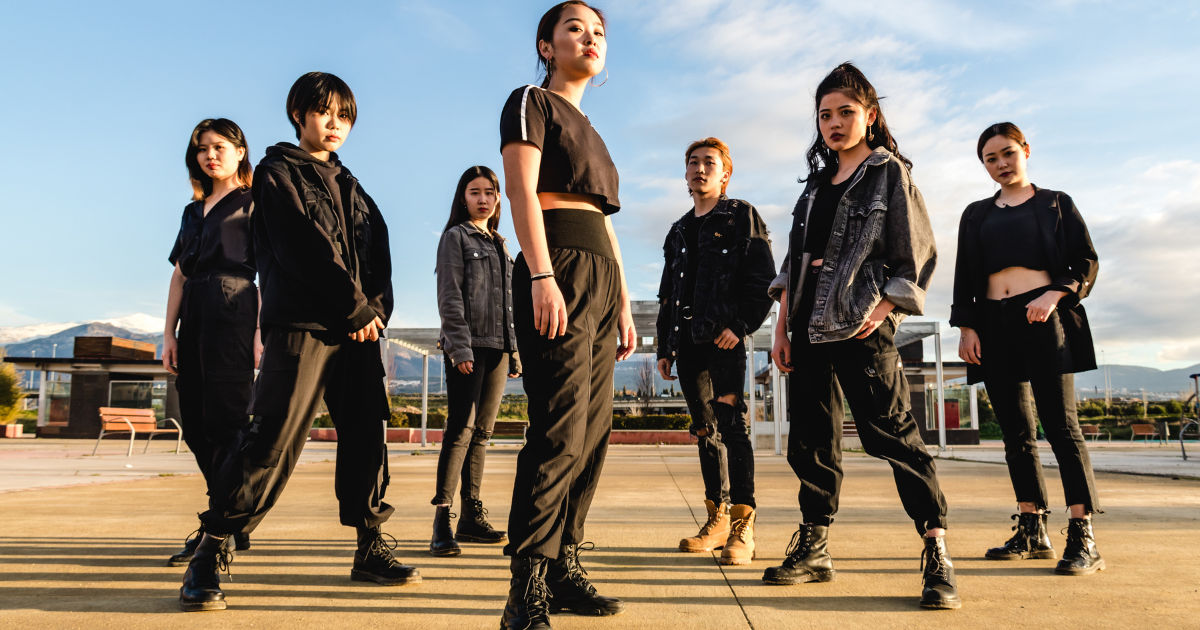
One name often associated with this trend is Corteiz Hypebeast Fashion, a brand that embodies the essence of modern hype culture.
Hypebeast fashion is more than just clothing—it is a movement, a lifestyle, and a statement.
From limited-edition sneakers to oversized hoodies, this culture blends exclusivity, creativity, and self-expression in ways that have captivated millions worldwide.
If you’ve ever wondered why some sneakers sell out within minutes or why certain clothing brands have cult followings, understanding hypebeast fashion is key.
This guide will break down the origins, influences, key elements, and impact of hypebeast fashion and streetwear culture in an accessible way.
Origins of Hypebeast Fashion
Early Streetwear Influence
Hypebeast fashion has roots in skateboarding and hip-hop culture from the 1980s and 1990s. Skateboarders in California and New York began mixing functional clothing with bold graphics and logos. Brands like Supreme, Stüssy, and BAPE became popular because they offered unique, statement-making pieces that reflected individual style.
Hip-hop culture also played a major role. Artists wore oversized clothing, sneakers, and flashy accessories, creating a new kind of street style. These early influences laid the foundation for what we now call hypebeast fashion.
The Rise of Online Hype
The term "hypebeast" originally referred to someone who would buy items just because they were popular or hyped. With the growth of social media, online communities, and fashion blogs, hypebeast culture exploded. Websites and platforms started showcasing limited releases, collaborations, and rare drops, fueling the hype even further.
Brands like Corteiz Hypebeast Fashion have embraced this trend, offering exclusive collections and creating anticipation for new products through strategic marketing. Today, the hypebeast movement is a global phenomenon, influencing not just fashion but lifestyle and entertainment.
Key Elements of Hypebeast Fashion
Sneakers: The Heart of Hype Culture
No discussion about hypebeast fashion is complete without sneakers. Collectors often camp outside stores or line up online to get limited-edition releases. Sneakers are more than shoes—they are status symbols. Popular brands include Nike, Adidas, and Jordan, but streetwear brands like Corteiz Hypebeast Fashion also release iconic footwear that becomes instant collectibles.
Sneaker culture also includes reselling. Rare sneakers can fetch thousands of dollars, making them an investment as well as a fashion statement.
Statement Clothing
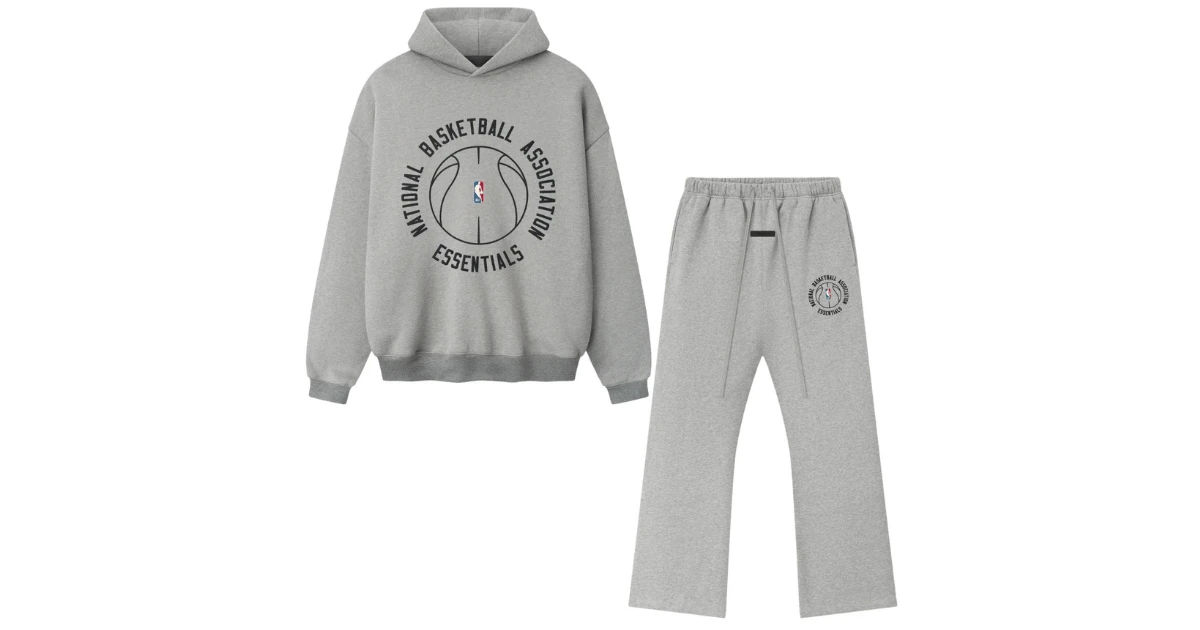
Hypebeast fashion relies heavily on statement clothing. Oversized hoodies, graphic tees, designer jackets, and cargo pants are staples. Logos and bold prints often dominate these pieces, making them instantly recognizable. Brands use limited drops to maintain exclusivity, which makes these items even more desirable.
Corteiz Hypebeast Fashion pieces often combine simplicity with boldness. For example, a plain hoodie might feature a small, distinctive logo that makes it instantly coveted by hype enthusiasts.
Accessories and Collaborations
Accessories like hats, backpacks, watches, and jewelry complete the hypebeast look. Collaborations between brands and artists or celebrities are also common. Limited edition collaborations increase hype and often sell out within minutes.
For instance, Corteiz Hypebeast Fashion has collaborated with various artists to create exclusive items, further cementing its place in hypebeast culture.
Understanding Streetwear Culture
Streetwear vs. Hypebeast Fashion
While streetwear and hypebeast fashion are closely related, they are not identical. Streetwear refers to casual, comfortable clothing influenced by skateboarding, hip-hop, and urban culture. Hypebeast fashion is a subset of streetwear but focuses on limited releases, exclusivity, and brand hype.
Hypebeasts are often collectors, while streetwear enthusiasts might prioritize comfort and personal style over rarity. Corteiz Hypebeast Fashion exemplifies this blend, offering both streetwear staples and highly coveted, limited pieces.
The Role of Community
Streetwear culture thrives on community. Social media platforms like Instagram, TikTok, and YouTube allow enthusiasts to showcase their collections, trade items, and stay updated on drops. Communities often have their own rules, jargon, and aesthetics, creating a shared identity among members.
Being part of a hypebeast community gives individuals a sense of belonging and status. Wearing Corteiz Hypebeast Fashion pieces can signify membership in these exclusive circles.
The Hypebeast Mindset
Scarcity and Exclusivity
A key aspect of hypebeast fashion is the principle of scarcity. Limited releases, small production runs, and exclusive collaborations create a sense of urgency. Consumers feel that owning these items gives them a competitive edge in style and social status.
Brands like Corteiz Hypebeast Fashion leverage this mindset expertly, making every drop an event that fans eagerly anticipate.
Social Influence
Social media influencers, celebrities, and athletes play a major role in hypebeast culture. When a famous figure wears a particular brand, it immediately gains attention and credibility. Instagram photos, TikTok videos, and YouTube reviews amplify this effect, turning ordinary clothing into must-have items overnight.
This phenomenon explains why hypebeast fashion spreads so quickly and why brands invest heavily in influencer marketing.
How to Identify Hypebeast Fashion
Logo and Branding
One of the most obvious indicators of hypebeast fashion is prominent branding. Logos, patches, and signature designs are everywhere, from hoodies to sneakers. Even subtle branding can make an item highly desirable if it comes from a recognized hypebeast brand like Corteiz Hypebeast Fashion.
Limited Editions
Limited edition releases are a hallmark of hypebeast fashion. If a brand announces only 500 pairs of sneakers or a collaboration that will never be repeated, it instantly becomes part of hype culture. Collectors monitor release dates, often joining online queues or raffles to secure their items.
Trend-Driven Design
Hypebeast fashion is highly trend-sensitive. Colorways, cuts, and designs often reflect the latest streetwear trends. Brands constantly release new items to stay relevant and maintain hype, making it essential for enthusiasts to stay updated.
Major Hypebeast Brands
While many brands fall under the hypebeast umbrella, some are more influential than others.
Supreme
Founded in New York in 1994, Supreme is often considered the pioneer of hypebeast culture. Its limited drops, bold branding, and skateboarding roots set the stage for modern hype fashion.
Off-White
Virgil Abloh’s Off-White blurred the line between luxury fashion and streetwear. With its signature diagonal stripes and quotation-mark branding, it became a global symbol of hype culture.
BAPE
A Bathing Ape (BAPE) introduced Japanese streetwear to the global market. Its camo patterns, shark hoodies, and bold designs made it a cult favorite.
Corteiz Hypebeast Fashion
A rising name in the hypebeast scene, Corteiz Hypebeast Fashion combines exclusivity, unique design, and social media marketing to create high-demand collections. Its limited drops, collaborations, and quality craftsmanship make it a standout brand in modern streetwear culture.
The Economics of Hypebeast Fashion
Resale Market
Hypebeast fashion has created a booming resale market. Limited-edition items often sell for many times their retail price. Sneaker reselling is a multimillion-dollar industry, and collectors frequently use apps to track availability and resale values.
Marketing Strategy
Exclusivity is central to hypebeast marketing. Brands create buzz through social media, influencer endorsements, and secret drops. This strategy ensures constant demand, driving both hype and profit.
Consumer Psychology
Hypebeast fashion thrives on desire, fear of missing out (FOMO), and social validation. Owning a rare piece signals status and style, motivating consumers to invest significant time and money in the culture.
The Cultural Impact of Hypebeast Fashion
Influence on Music and Pop Culture
Hypebeast fashion is closely tied to music, particularly hip-hop and rap. Artists often release their own lines or collaborate with streetwear brands, creating a feedback loop between music and fashion.
Global Reach
What started in the United States has now spread worldwide. Cities like Tokyo, London, Copenhagen, and Los Angeles have vibrant hypebeast communities. Brands like Corteiz Hypebeast Fashion are recognized internationally, influencing youth fashion trends across continents.
Redefining Luxury
Hypebeast fashion has challenged traditional ideas of luxury. Today, a limited-edition hoodie or pair of sneakers can be as coveted as a designer handbag. The emphasis is on exclusivity, storytelling, and cultural relevance rather than price alone.
How to Start Your Hypebeast Journey
Building a Collection
Start with staple pieces from reputable brands. Focus on limited releases and collaborations to ensure your collection has value and style impact. Brands like Corteiz Hypebeast Fashion are excellent starting points.
Staying Informed
Follow social media accounts, fashion blogs, and online communities to keep up with new drops and trends. Hypebeast culture moves fast, and staying updated is key to securing the most desirable items.
Understanding Style
Hypebeast fashion is not just about owning rare items—it’s about expressing yourself. Experiment with layering, color coordination, and mixing high-end pieces with casual wear to create your own unique style.
Criticisms of Hypebeast Fashion
Consumerism and Waste
Hypebeast culture is often criticized for promoting consumerism. The constant desire for the latest drop can lead to overconsumption and waste.
Social Pressure
Some argue that hypebeast culture can create social pressure to own certain items for validation. This focus on exclusivity can sometimes overshadow personal style and self-expression.
Accessibility
Limited drops and high resale prices make hypebeast fashion inaccessible to many. Critics argue that this exclusivity contradicts the democratic nature of fashion as a form of self-expression.
Conclusion
Hypebeast fashion and streetwear culture have transformed the fashion world, turning clothing into a form of identity, community, and status. From sneakers to hoodies and accessories, every item carries meaning beyond its material value. Brands like Corteiz Hypebeast Fashion have perfected the balance of exclusivity, creativity, and cultural relevance, making them central to this global phenomenon.
Whether you are a collector, an enthusiast, or someone curious about the movement, understanding hypebeast fashion provides insight into modern trends, consumer psychology, and the way fashion interacts with lifestyle and culture. As streetwear continues to evolve, the influence of hypebeast fashion is only set to grow, blending creativity, exclusivity, and social influence in new and exciting ways.
Hypebeast fashion is not just a trend—it is a cultural movement that continues to redefine how we think about clothing, identity, and status.
About the Author