When people hear the word “couture,” they often imagine luxury, elegance, and one-of-a-kind fashion. Couture bridal wear is exactly that—exclusive wedding clothing made with extraordinary care and craftsmanship.
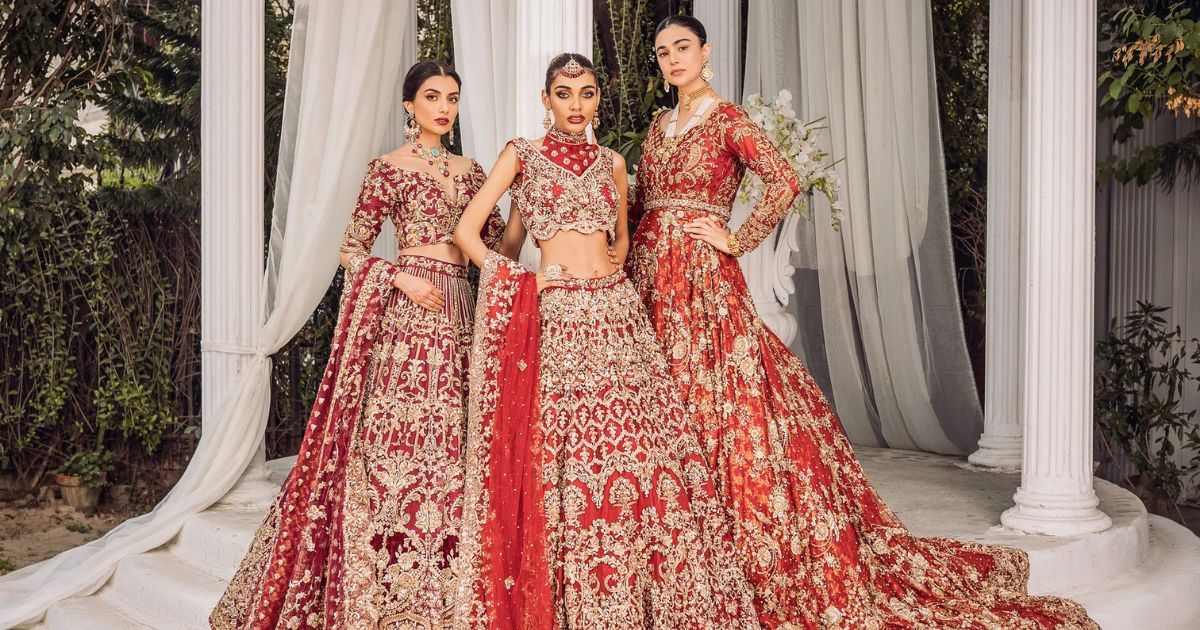
In South Asian weddings especially, couture bridal outfits stand out because of their detailed embroidery, rich fabrics, and personal customization. Many brides today explore couture options alongside pakistani designer clothes, which are known globally for their fine artistry and bridal excellence.
This guide explains couture bridal wear in a simple and easy way. You will learn what it means, how it is made, why it is expensive, and how it differs from ready-made outfits. We will also explore why pakistani designer clothes play such a big role in couture bridal fashion and how brides choose the perfect couture dress for their big day.
Meaning of Couture Bridal Wear
Couture bridal wear refers to wedding outfits that are custom-made for one bride only. These dresses are designed from scratch and created by skilled artisans. Every detail, from fabric selection to embroidery patterns, is carefully planned. Unlike mass-produced outfits, couture pieces are not repeated.
In many cultures, especially in South Asia, couture bridal wear is considered the highest level of fashion. Brides who invest in couture often look at pakistani designer clothes because these designers are famous for blending tradition with luxury. Couture is about uniqueness, personal expression, and perfection.
What Makes Bridal Wear “Couture”?
Couture bridal wear is defined by several key features. First, it is handmade. Skilled craftsmen work on each piece using traditional techniques passed down through generations. Second, it is custom-fitted. The dress is made to match the bride’s body perfectly. Third, it uses premium materials such as silk, organza, velvet, and handwoven fabrics.
Many couture bridal outfits from pakistani designer clothes include hand embroidery, zardozi, resham, pearls, crystals, and sequins. These details take weeks or even months to complete. This level of effort is what separates couture from regular bridal wear.
Couture vs Ready-to-Wear Bridal Dresses
Ready-to-wear bridal dresses are made in standard sizes and sold in boutiques. They are quicker to buy and more affordable. Couture bridal wear, on the other hand, takes time and involves multiple fittings.
Brides who prefer couture often want something unique that no one else will wear. They may choose couture from pakistani designer clothes because designers offer full customization. Ready-made dresses may look beautiful, but couture tells a personal story through design.
Why Couture Bridal Wear Is Expensive
Couture bridal wear is expensive because of the time, skill, and materials involved. One couture dress can take hundreds of hours to complete. Each bead, stitch, and motif is done by hand. Designers also use high-quality fabrics that cost more.
In the world of pakistani designer clothes, couture bridal outfits are priced higher because they represent luxury and exclusivity. Brides are not just paying for a dress. They are paying for craftsmanship, heritage, and a once-in-a-lifetime experience.
The Role of Designers in Couture Bridal Fashion
Designers play a central role in couture bridal wear. They meet with the bride, understand her vision, and turn her ideas into reality. From sketching designs to choosing colors, designers guide the entire process.
Well-known names in pakistani designer clothes have made couture bridal wear internationally popular. Their attention to detail and cultural understanding allow them to create outfits that feel modern yet traditional. Designers also ensure that the dress suits the bride’s personality and wedding theme.
Fabrics Used in Couture Bridal Wear
Fabric selection is one of the most important steps in couture bridal wear. Designers choose fabrics based on comfort, season, and design needs. Common fabrics include silk, chiffon, organza, jamawar, and velvet.
Many couture outfits from pakistani designer clothes feature layered fabrics that add depth and richness. The fabric is often dyed specially for the bride to achieve the perfect shade. This level of customization is rarely possible in ready-made clothing.
Hand Embroidery and Craftsmanship
Embroidery is the heart of couture bridal wear. Skilled artisans spend weeks working on intricate patterns. Techniques such as zardozi, gota, dabka, and resham embroidery are commonly used.
In pakistani designer clothes, embroidery often reflects cultural heritage. Floral patterns, geometric shapes, and Mughal-inspired designs are popular. This handcrafted beauty is what makes couture bridal wear feel luxurious and timeless.
How Long Does Couture Bridal Wear Take to Make?
Couture bridal wear takes time. On average, it can take three to six months to complete one outfit. Some heavily detailed dresses may take even longer.
Designers of pakistani designer clothes usually start working on bridal couture well in advance of the wedding date. This timeline allows for design approval, embroidery, stitching, and fittings. Brides should plan early to avoid stress.
The Fitting Process in Couture Bridal Wear
Fittings are an important part of couture bridal wear. Since the dress is made specifically for one bride, designers conduct multiple fittings to ensure the perfect fit.
In couture houses known for pakistani designer clothes, fittings also help adjust embroidery placement and overall balance. This process ensures that the dress looks flawless on the wedding day and feels comfortable to wear.
Colors and Trends in Couture Bridal Wear
Traditional bridal colors like red, maroon, and gold are still popular. However, modern brides are also choosing pastels, ivory, and champagne shades.
Designers of pakistani designer clothes often set trends by introducing new color combinations. Couture allows brides to experiment while still honoring tradition. Because couture is custom-made, brides can choose colors that suit their skin tone and style.
Cultural Importance of Couture Bridal Wear
In South Asian weddings, bridal wear carries deep cultural meaning. Couture bridal wear reflects family traditions, regional styles, and personal values.
Many brides choose pakistani designer clothes because these designs respect cultural heritage while offering luxury. Couture outfits often become family heirlooms, passed down through generations.
Couture Bridal Wear for Different Wedding Events
Brides often wear different outfits for events like the nikkah, baraat, and walima. Couture bridal wear can be designed for each event.
Designers specializing in pakistani designer clothes create coordinated looks that match the theme of each ceremony. This allows brides to maintain a consistent style throughout their wedding celebrations.
How to Choose the Right Couture Bridal Dress
Choosing the right couture bridal dress starts with research. Brides should explore designers, styles, and budgets. Communication with the designer is key.
When working with pakistani designer clothes, brides often share inspiration photos and personal preferences. A good designer listens carefully and offers expert advice to create the perfect look.
Budget Planning for Couture Bridal Wear
Couture bridal wear requires careful budgeting. Brides should decide how much they are willing to spend and discuss this openly with the designer.
Designers of pakistani designer clothes often offer different couture levels depending on embroidery and fabric choices. Planning ahead helps brides get the best value without compromising on quality.
Couture Bridal Wear vs Luxury Pret
Luxury pret is high-end ready-to-wear fashion, while couture is fully custom-made. Luxury pret is quicker and slightly less expensive.
Couture from pakistani designer clothes is ideal for brides who want exclusivity. Luxury pret suits brides who want designer quality with less waiting time.
International Appeal of Couture Bridal Wear
Couture bridal wear is not limited to one region. Brides around the world appreciate its beauty and craftsmanship.
Pakistani designer clothes have gained global recognition for couture bridal wear. International brides often choose these designers for destination weddings and cultural ceremonies.
Sustainability and Couture Bridal Wear
Couture bridal wear is often more sustainable than fast fashion. Since each piece is custom-made, there is less waste.
Many designers of pakistani designer clothes support traditional artisans and local craftsmanship. This helps preserve cultural skills and promotes ethical fashion practices.
Caring for Couture Bridal Wear After the Wedding
After the wedding, couture bridal wear should be stored carefully. Professional cleaning and proper packaging help preserve the outfit.
Brides who invest in pakistani designer clothes often keep their couture dresses as keepsakes. With proper care, these outfits can last for decades.
Common Myths About Couture Bridal Wear
Some people think couture bridal wear is uncomfortable. In reality, custom fitting makes it more comfortable than standard sizes.
Others believe couture is only about heavy designs. Designers of pakistani designer clothes now offer lighter couture options for modern brides.
Is Couture Bridal Wear Worth It?
For many brides, couture bridal wear is worth the investment. It offers uniqueness, perfect fit, and emotional value.
When choosing pakistani designer clothes, brides often feel proud wearing something that reflects culture and craftsmanship. Couture turns a wedding dress into a personal statement.
Conclusion
Couture bridal wear represents the highest level of bridal fashion. It is custom-made, handcrafted, and deeply personal.
From fabric selection to final fitting, every step is designed around the bride. While it requires time and a higher budget, couture offers unmatched beauty and individuality.
The global popularity of pakistani designer clothes has made couture bridal wear more accessible and admired worldwide.
These designers combine tradition, innovation, and luxury in a way few others can. For brides who want something truly special, couture bridal wear is more than clothing. It is an experience, a memory, and a celebration of craftsmanship that lasts long after the wedding day.
About the Author