
A healthy lawn does not happen by accident. It is the result of planning, consistency, and knowing what your grass needs throughout the year. Many homeowners feel overwhelmed because they do not know when to mow, water, fertilize, or control weeds. That is where a clear lawn care and maintenance schedule makes all the difference.
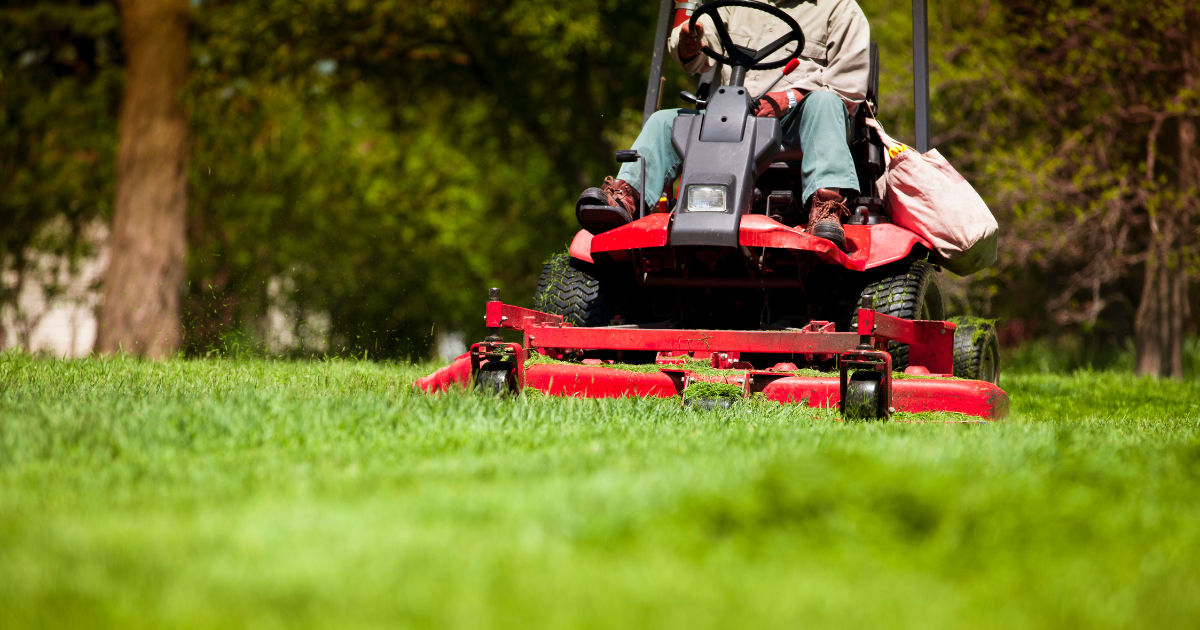
By following a structured lawn care and maintenance plan, you can save time, reduce costs, and enjoy a green, thick lawn in every season.
This guide will walk you step by step through the process of creating a practical, easy-to-follow schedule. Everything is written in simple language, with short paragraphs, so it is easy to understand and apply.
the Basics of Lawn Care and Maintenance
Before building a schedule, you need to understand what lawn care and maintenance really includes. It is more than just mowing grass.
Lawn care focuses on keeping grass healthy. Maintenance involves regular tasks that protect the lawn from damage.
Together, lawn care and maintenance includes mowing, watering, fertilizing, aerating, dethatching, weed control, and pest management. Each task has a purpose and a correct time to be done.
Knowing these basics helps you avoid common mistakes, like watering too much or mowing too short.
Know Your Grass Type
Not all grass is the same. Different grasses grow best in different climates.
Cool-season grasses grow well in cooler regions. Warm-season grasses thrive in hot climates.
Your lawn care and maintenance schedule must match your grass type. If you use the wrong timing, you can weaken your lawn instead of helping it.
Check whether your lawn is made of cool-season or warm-season grass. This information will guide everything else.
Understand Your Local Climate
Climate plays a major role in lawn care and maintenance.
Rainfall, temperature, and sunlight all affect grass growth. A lawn in a dry area needs a different schedule than one in a rainy region.
Observe seasonal patterns in your area. Take note of when temperatures rise, when frost occurs, and when rainfall is highest.
A good lawn care and maintenance schedule always works with nature, not against it.
Why a Lawn Care and Maintenance Schedule Is Important
Without a schedule, lawn tasks are often done too late or too early.
A proper lawn care and maintenance schedule helps you stay consistent. It prevents overworking the lawn and reduces stress on the grass.
Scheduling tasks also saves money. You avoid wasting water, fertilizer, and other products.
Most importantly, a schedule keeps your lawn healthy all year long.
Seasonal Lawn Care and Maintenance Planning
The best way to create a schedule is to break it down by seasons.
Each season has specific needs. A year-round lawn care and maintenance plan makes these needs clear and manageable.
Spring Lawn Care and Maintenance Tasks
Spring is the season of growth. Your lawn wakes up after winter dormancy.
This is a critical time for lawn care and maintenance.
Lawn Inspection and Cleanup
Start by inspecting your lawn.
Remove debris, fallen leaves, and branches. This allows sunlight and air to reach the grass.
Early cleanup is a basic but essential lawn care and maintenance step.
Soil Testing
Testing your soil in spring helps you understand nutrient needs.
Soil tests show pH levels and nutrient deficiencies.
This information helps you apply the right fertilizer, making your lawn care and maintenance more effective.
Fertilizing in Spring
Apply fertilizer to support new growth.
Do not over-fertilize. Too much fertilizer can burn the grass.
Balanced fertilization is a key part of spring lawn care and maintenance.
Weed Control
Weeds compete with grass for nutrients.
Applying pre-emergent weed control helps prevent weed growth.
Weed management should always be included in your lawn care and maintenance schedule.
Summer Lawn Care and Maintenance Tasks
Summer can be stressful for lawns due to heat and drought.
Your lawn care and maintenance focus shifts to protection and hydration.
Proper Watering Practices
Water deeply but less frequently.
Early morning is the best time to water.
Correct watering is one of the most important lawn care and maintenance practices during summer.
Mowing Height Adjustment
Raise your mower blade in summer.
Longer grass shades the soil and reduces water loss.
Smart mowing habits improve overall lawn care and maintenance results.
Pest Monitoring
Heat brings pests.
Check for signs of insects or disease regularly.
Early detection is a vital part of summer lawn care and maintenance.
Fall Lawn Care and Maintenance Tasks
Fall is a recovery and preparation season.
Your lawn care and maintenance efforts now will determine next year’s lawn quality.
Aeration
Aeration reduces soil compaction.
It allows air, water, and nutrients to reach the roots.
This task is a cornerstone of effective lawn care and maintenance.
Overseeding
Overseeding fills bare spots.
It helps create a thicker lawn.
Fall overseeding strengthens long-term lawn care and maintenance outcomes.
Fall Fertilization
Fall fertilizer promotes strong roots.
Healthy roots improve winter survival.
This step is essential in a complete lawn care and maintenance plan.
Winter Lawn Care and Maintenance Tasks
Winter is a resting period for your lawn.
Even though growth slows, lawn care and maintenance does not completely stop.
Minimize Foot Traffic
Avoid walking on frozen grass.
Foot traffic can damage dormant turf.
Protecting grass in winter supports year-round lawn care and maintenance.
Equipment Maintenance
Winter is a good time to service lawn equipment.
Sharpen mower blades and clean tools.
Well-maintained tools improve future lawn care and maintenance efficiency.
Creating a Weekly Lawn Care and Maintenance Routine
Some tasks need weekly attention.
Mowing is the most common weekly lawn care and maintenance activity.
Stick to a consistent mowing schedule.
Never remove more than one-third of the grass height at a time.
Consistency keeps your lawn healthy and balanced.
Monthly Lawn Care and Maintenance Checklist
Monthly checks help catch problems early.
Look for color changes, thinning grass, or weed growth.
Adjust watering and mowing as needed.
Monthly reviews strengthen your overall lawn care and maintenance strategy.
Tools Needed for Lawn Care and Maintenance
Having the right tools makes tasks easier.
Basic tools include a mower, rake, sprinkler, and fertilizer spreader.
Quality tools improve accuracy and efficiency in lawn care and maintenance.
Take care of your tools to extend their lifespan.
Water Management and Lawn Care and Maintenance
Water is essential, but misuse causes problems.
Overwatering leads to shallow roots and disease.
Underwatering causes stress and browning.
Balanced water use is a foundation of smart lawn care and maintenance.
Fertilizer Timing and Lawn Care and Maintenance
Timing matters when applying fertilizer.
Apply nutrients when grass is actively growing.
Avoid fertilizing during extreme heat or cold.
Correct timing improves nutrient absorption and overall lawn care and maintenance success.
Weed Prevention and Lawn Care and Maintenance
Preventing weeds is easier than removing them.
Healthy lawns naturally resist weeds.
Strong turf is the goal of effective lawn care and maintenance.
Use weed control methods carefully and responsibly.
Common Lawn Care and Maintenance Mistakes to Avoid
Many lawn problems come from simple mistakes.
Cutting grass too short is a common error.
Overwatering is another frequent issue.
Avoiding these mistakes improves your lawn care and maintenance results quickly.
Adapting Your Lawn Care and Maintenance Schedule
No schedule is perfect forever.
Weather changes and lawn conditions vary.
Adjust your lawn care and maintenance schedule as needed.
Flexibility helps maintain lawn health in unexpected situations.
Benefits of a Consistent Lawn Care and Maintenance Schedule
Consistency builds strong grass.
A regular lawn care and maintenance schedule improves appearance and durability.
It reduces weeds, pests, and diseases.
Over time, your lawn becomes easier to manage.
Teaching Family Members Lawn Care and Maintenance
Lawn care can be a shared responsibility.
Teach family members simple tasks.
Shared effort makes lawn care and maintenance easier and more enjoyable.
Long-Term Planning for Lawn Care and Maintenance
Think beyond one season.
Plan yearly goals for improvement.
Long-term thinking strengthens your lawn care and maintenance strategy.
Conclusion
Creating a lawn care schedule does not have to be complicated. By understanding your grass type, climate, and seasonal needs, you can design a plan that works for your lawn. A well-structured lawn care and maintenance schedule ensures that every task is done at the right time and in the right way.
Consistency is the key to success. When you follow a clear lawn care and maintenance routine, your lawn becomes healthier, greener, and more resilient. Problems like weeds, pests, and bare patches become easier to manage. Over time, the lawn requires less effort because it grows stronger naturally.
Remember, lawn care and maintenance is not about perfection. It is about balance, observation, and timely action. With patience and commitment, your schedule will turn into a habit. That habit will reward you with a beautiful lawn that enhances your home and provides a space to enjoy year after year.
About the Author