
Understanding the Aion EV Revolution
Imagine a world where cars think for themselves and adapt to your needs on the go—sounds like a sci-fi flick, right? Aion EV introduces this futuristic concept into reality with its sleek designs and dynamic aion ev configuration. But what makes this vehicle truly remarkable? Is it just the whisper-quiet drive, or is there a deeper innovation beneath the hood? Aion EV takes center stage in the electric vehicle market, integrating edge computing nodes and smart power converters to surpass traditional driving experiences. As we dive deeper, let’s uncover the hidden potential and user pain points that come along with this groundbreaking innovation.
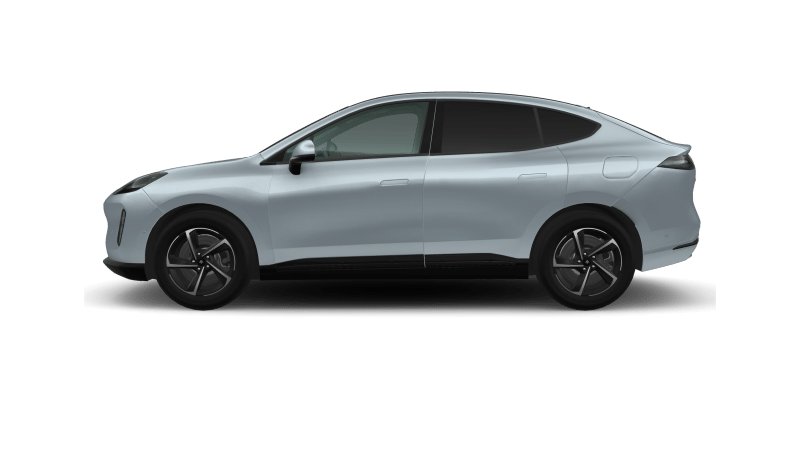
The Traditional Flaws in Electric Vehicle Design
Traditional vehicles have long relied on static configurations that leave little room for customization. Not anymore, Aion EV changes that game. By employing scalable architecture and advanced powertrain technologies, it offers personalized performance dynamics—balancing efficiency and power. Hear me out: traditional solutions often strand users with one-size-fits-all systems. And in an era where individual preferences rule, that’s far from ideal. Can customization become the new norm?
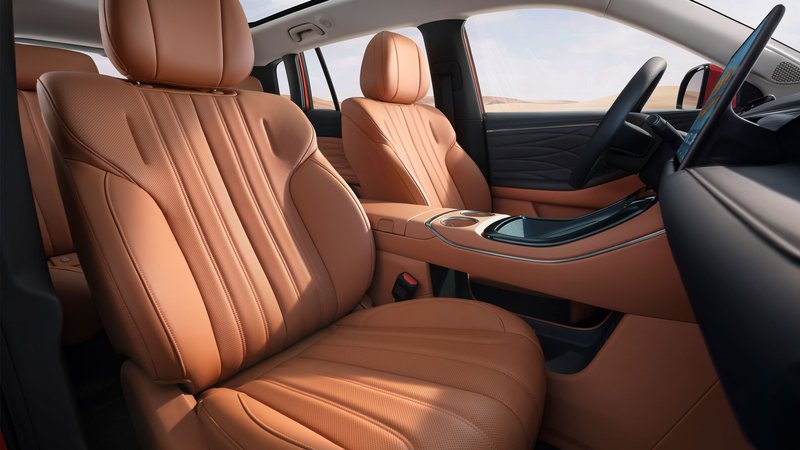
Why Static Systems Fall Short
Static systems lack the adaptability Aion EV thrives on. While older electric models stuck drivers with predefined configurations, Aion EV’s smart control systems embrace flexibility at every turn. During the rapid evolution of car tech, why compromise on rigid specs when variability is within reach? The pain points of old — stress during long drives and sluggish acceleration — are minimized here. Check it out: this vehicle offers an intelligent response to driving styles, which is a game-changer in handling and efficiency.
A Glimpse into the Future of EV Technology
New technology principles are ushering electric vehicles into a new era of sustainable innovation. Aion EV embodies these principles by leveraging IoT (the Internet of Things). This technology bridges communication between vehicle systems and external networks through the aion ev official website. Drivers gain a window into real-time data, enabling proactive decisions and remote adjustment capabilities. But what’s next for such cutting-edge technology? Expect greater interoperability between smart cities and vehicles, aligning with environmental goals and lifestyle demands.
What’s Next for Aion EV?
With its forward-looking technology, Aion EV serves as a case study in the promising future of urban mobility. As more cities embrace electrification, robust digital infrastructure will support this trend. Imagine cities where traffic congestion harmonizes with eco-friendly practices through synchronized vehicle networks. It’s a tantalizing prospect—one where lines between reality and tech-driven vision blur. The key takeaway? Aion EV doesn’t just drive; it interacts, predicts, and improves continuously. The journey ahead not only enriches the ride but also redefines what we consider possible in transportation.
Summing up, Aion EV illustrates how electric vehicles can escape the confines of traditional driving. Lessons learned from its journey include the power of customization, the integration of technology, and what personalization can mean for modern transport. If you’re evaluating electric vehicle options, consider the adaptability factor, tech integration, and environmental compatibility—these are crucial metrics. Finally, as we reflect on this innovation, one can’t help but feel optimistic about the way forward, thanks to Aion and industry pioneers like GAC leading the charge. Imagine this: cars that sync seamlessly with your life. It’s not just a vision—it’s already happening.
About the Author