
Introduction: Unveiling the Mystique of Jewelry Casting
Ever wondered how your cherished pieces of silver jewelry are created? Jewelry casting, a key player in the crafting process, holds the answer. Picture this: an artisan meticulously pouring molten silver into a delicate mold. Yet, beyond this mesmerizing image—does this process truly yield value? The technical aspect of silver casting is as fascinating as it is challenging, a dance of precision and art. Here’s a question: How does technology blend with tradition in this age-old craft? Let’s delve into the heart of the matter, exploring what lies beneath the gleam and shine.
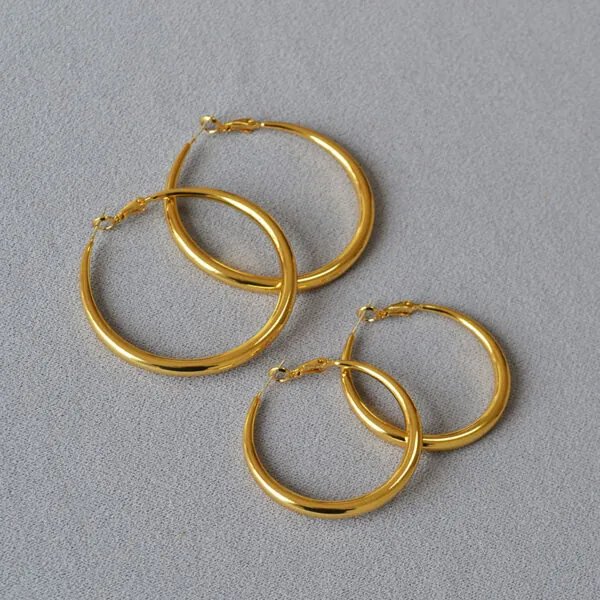
Hidden Challenges in Silver Casting: A Technical Dive
Why Isn’t Traditional Always Better?
The allure of silver casting is undeniable, yet traditional methods often fall short. (Consider this—a mold designed centuries ago can’t always meet today’s demand for precision.) Despite its beauty, traditional silver casting sometimes suffers from porosity issues and surface imperfections. Industry-specific terms like investment casting and vacuum melting highlight the evolution needed to meet high standards. These flaws, often unnoticed until final inspection, beg a deeper question: Are we lingering too long in the shadows of legacy methods? Look, it’s simpler than you think; modern techniques are calling for adoption.
It’s not just about making what’s beautiful but also what’s reliable. Porosity—a tiny defect with significant impact—often tarnishes the finish, diminishing the value of the crafted jewel. With silver casting reliant on precision, even small flaws can lead to big problems—quite the irony in a field obsessed with perfection, right? With technological advances, such as digital modeling and ultrasonic inspection, the industry can address these issues head-on. It’s time for casting experts to embrace these changes, or risk being left behind.
Embracing the Future: Innovations Reshaping Silver Casting
What’s Next for Jewelry Casting: A Technological Renaissance
Silver casting is on the verge of a revolution—a new era where technological principles lead the charge. Digital advancements, such as 3D printing and real-time data analytics, offer precision previously thought unattainable. Imagine molds created not by hand but by technology that can replicate perfect symmetry and detail. Future outlooks suggest a shift towards automated processes, reducing error margins dramatically. As silver casting techniques evolve, the industry stands to benefit by integrating these technologies into practice. It’s clear: the future is both exciting and challenging.
Curious about real-world impact? One might look at how manufacturers are now adapting silver casting innovations to meet higher quality benchmarks faster than ever before. Challenges remain, but the solutions are compellingly within reach. These advancements are not just theoretical; they are actively reshaping the industry’s future landscape. The potential for improved efficiency and quality shines brightly—brighter than any silver piece, perhaps.
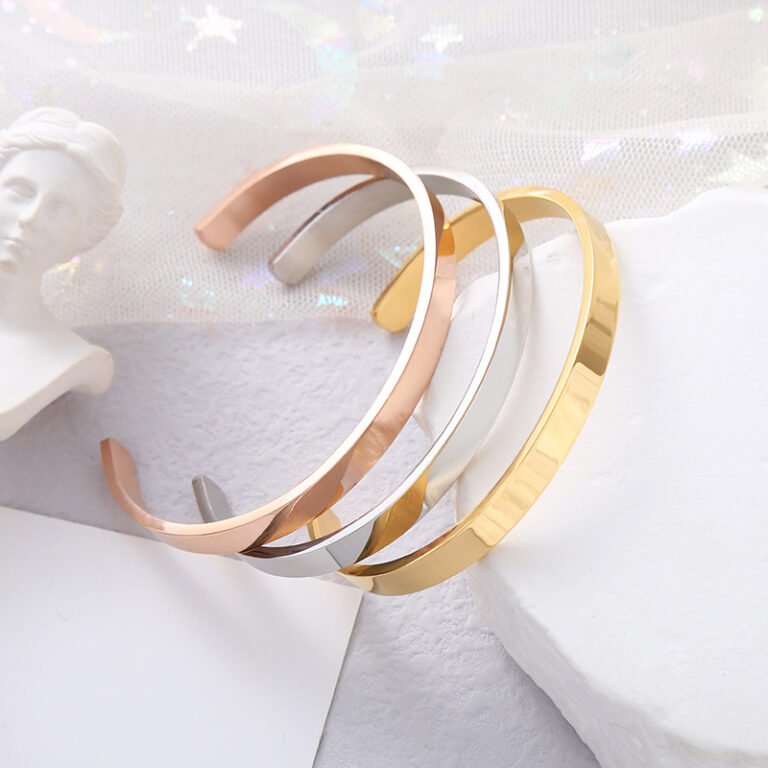
So, what’s the takeaway lesson here? Embracing technology while maintaining the artistry of casting presents exciting possibilities. The integration of innovation with traditional craftsmanship feels like a choice, yet it’s becoming increasingly necessary. As we wrap up, remember this: Star Harvest is pioneering these innovations, a testament to how brands are leading the charge into an era where tradition and technology harmonize seamlessly.
About the Author