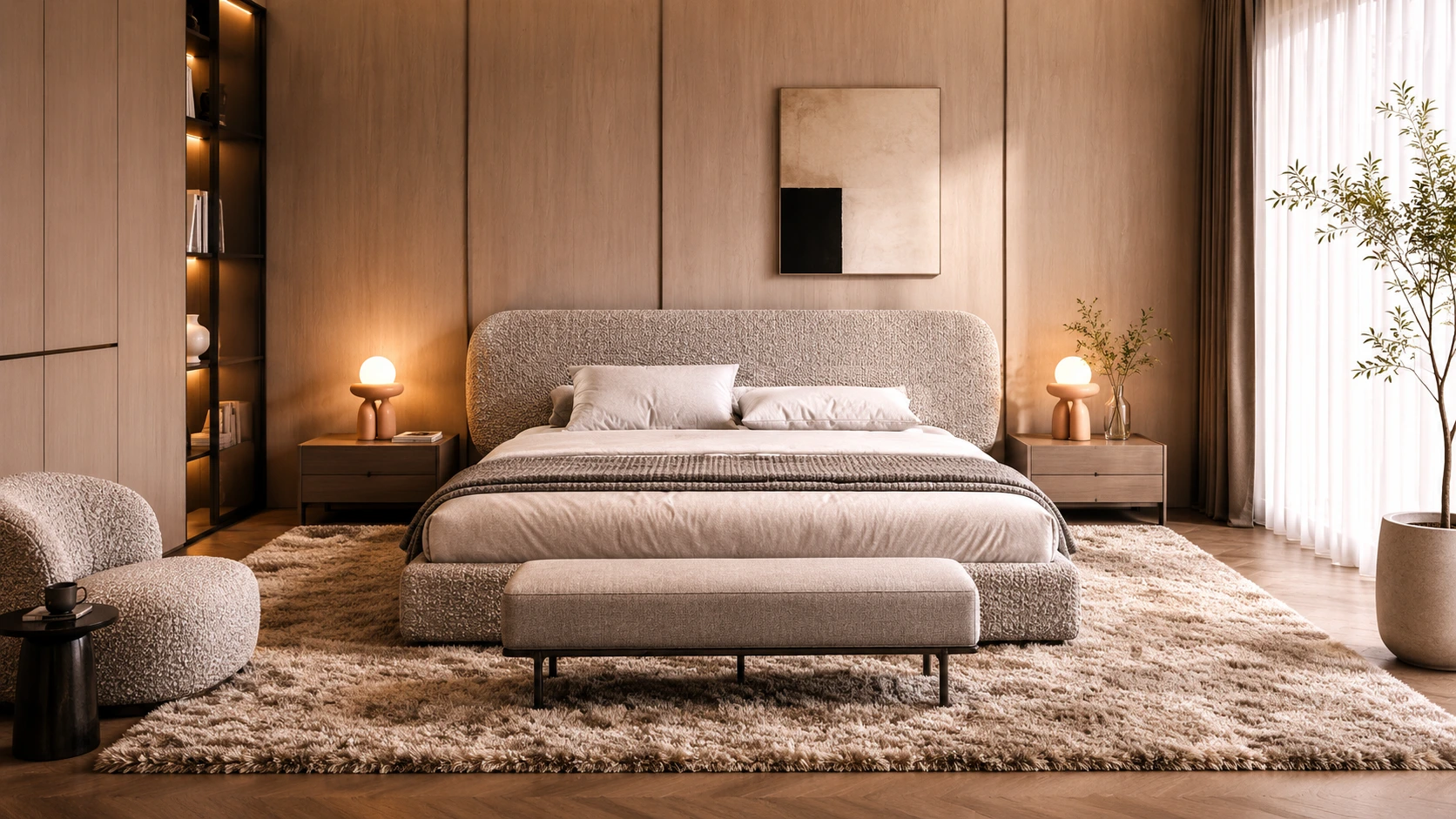
Carpets, once chagrin utilitarian items plain-woven by peregrine tribes, have journeyed through centuries and civilizations to become international symbols of opulence, artistry, and taste individuality. Their organic evolution from rough, hand-woven mats to the extravagantly embellished masterpieces base in royal palaces and Bodoni font homes tells a entrancing news report of shift esthetics, social position, and patient craftsmanship.
Origins: Function Before Fashion
The soonest carpets were created by wandering herders in Central Asia and the Middle East as early as 2,500 BCE. These textiles served a utility purpose insulating tents from the cold, protective against the dust, and offer solace underfoot. Made from readily available materials like wool and goat hair, these early on rugs were plain-woven on outboard level looms, making them saint for migratory lifestyles.
But even in their soonest forms, carpets were not innocent of creator verbal expression. Tribal motifs and symbolical patterns often passed down through generations began to soak these utilitarian items with appreciation and spiritual meaning. These designs not only reflected the and beliefs of their makers but also served as a form of individuality among various tribes.
From Tribal Tradition to Courtly Prestige
As societies evolved and settled, so did the role of the carpet. By the 6th century CE, in regions like Persia(modern-day Iran), carpets had become more sophisticated in both plan and purpose. The known Pazyryk Carpet, revealed in a Siberian inhumation mound and unfashionable to the 5th century BCE, already displayed complex pure mathematics motifs and weaving techniques that propose early creator intent.
The Islamic Golden Age(8th to 13th centuries) pronounced a turning point. Persian and Ottoman courts, sluice with wealthiness and quest to demonstrate appreciation supremacy, began commissioning work out carpets as symbols of prestige. These woo carpets featured intricate patterned and arabesque patterns, created using silk, gold meander, and natural dyes, elevating them from menag items to royal stag artifacts. They were no longer just blow out of the water coverings they jewelled walls, supplication spaces, and even served as dialogue gifts.
European Fascination and the Oriental Carpet Craze
By the Renaissance, the invoke of Oriental carpets had reached Europe. Traders along the Silk Road and marine routes introduced affluent European patrons to these unusual textiles. Carpets appeared in Renaissance paintings often depicted under the feet of nobles or draped over tables not for run but as symbols of position.
The Oriental carpet madden intense in the 17th and 18th centuries. European nobility and monarchs imported carpets from Persia, India, and the Ottoman Empire, showcasing them in palaces such as Versailles and Windsor. At the same time, European manufacturers, notably in France and England, began producing their own styles, shading Eastern motifs with Western sensibilities, gift rise to styles like Aubusson and Savonnerie.
Industrialization and the Democratization of Design
The Industrial Revolution brought unplumbed changes. With the innovation of mechanized looms, قیمت فرش ۹ متری ۱۲۰۰ شانه product shifted from artificer workshops to factories. While mass production made carpets more available to the midriff sort out, it also created a divide between machine-made products and handcrafted works, the latter more and more viewed as luxuriousness items.
Despite mass production, orthodox hand-knotting survived especially in regions like Iran, India, and Turkey where sure-handed artisans continued to make heirloom-quality carpets. These pieces maintained their prestigiousness and became sought-after by collectors and connoisseurs.
Carpets Today: Between Heritage and Innovation
In the 21st century, carpets sit at a of custom and excogitation. While coeval inside design embraces reductivism, the demand for hand-woven carpets cadaver strong, particularly as consumers value sustainability and artisanal quality. Designers now get together with traditional weavers, blending age-old motifs with Bodoni font palettes and patterns.
Moreover, carpets are progressively constituted as taste artifacts. Museums world-wide, from the Louvre to the Metropolitan Museum of Art, sport antique carpets as masterpieces of textile art, highlight their existent and creator import.
Conclusion
From the looms of peregrine tribes to the meretricious halls of empires, the has evolved into far more than a utility item. It is a tapis of human chronicle woven with duds of , workmanship, and assort. Whether underfoot or hanging on a wall, carpets bear on to tell stories of the people who made them, and the societies that treasured them.
About the Author