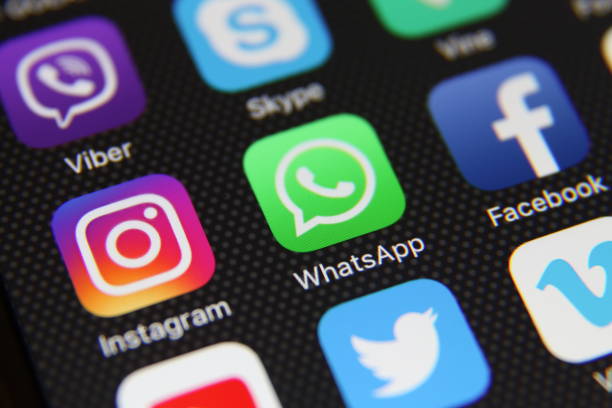
1 on 1 selling, also known as personalized selling, focuses on building direct relationships with person customers. Unlike mass merchandising, this approach tailors messages and offers to meet the unique needs of each customer. In nowadays s competitive landscape, businesses that adopt 1 on 1 merchandising gain a substantial edge by fosterage trueness and conversions.
Why 1 on 1 Marketing Matters
Customers nowadays expect personalized experiences. Generic ads and promotions no thirster capture aid as they once did. Here s why 1 on 1 marketing is necessity:
- Higher Engagement: Personalized messages resonate better with customers.
- Increased Loyalty: Customers feel valued when brands address their particular needs.
- Better Conversion Rates: Tailored offers lead to more sales.
- Competitive Advantage: Stand out by delivering unique experiences.
Key Strategies for Successful 1 on 1 Marketing
Implementing digital marketing requires a strategic go about. Below are tested strategies to help businesses connect with customers on a subjective level.
1. Leverage Customer Data
Data is the origination of personal selling. Collect and psychoanalyze client demeanor, preferences, and purchase history to make targeted campaigns. Use tools like CRM systems to track interactions and segment audiences in effect.
2. Use Personalized Email Campaigns
Emails with personalized subject lines and content do better than generic ones. Address customers by name and recommend products based on their past purchases or browsing account.
3. Implement Dynamic Website Content
Display customised on your website based on user deportment. For example, show reverting visitors products they previously viewed or propose complementary items.
4. Engage Through Social Media
Social platforms allow place fundamental interaction with customers. Respond to comments, send personalized messages, and use retargeting ads to re-engage fascinated users.
5. Offer Tailored Discounts
Provide scoop discounts supported on customer preferences. For example, send a birthday discount or a special volunteer on a frequently purchased item.
6. Utilize Chatbots and AI
AI-powered chatbots can cater instant, personalized responses to customer queries. They can urge products, do questions, and even upsell based on user stimulant.
7. Create Customized Loyalty Programs
Reward customers with points or perks tailored to their shopping habits. A well-designed loyalty program encourages take over purchases and strengthens relationships.
8. Conduct Surveys and Feedback Sessions
Ask customers for feedback to empathize their needs better. Use this data to refine your merchandising strategies and ameliorate personalization.
9. Send Personalized Follow-Ups
After a buy out, send a thank-you note or a observe-up e-mail with correlated production suggestions. This keeps the conversation going and enhances customer gratification.
10. Invest in One-on-One Customer Support
Provide devoted support through call up, chat, or video calls. A subjective touch in client serve builds bank and long-term loyalty.
Challenges in 1 on 1 Marketing
While 1 on 1 selling offers many benefits, it also comes with challenges:
- Data Privacy Concerns: Customers are wary of how their data is used.
- High Implementation Costs: Advanced tools and strategies want investment funds.
- Scalability Issues: Personalizing at scale can be difficult for boastfully audiences.
Conclusion
1 on 1 marketing is a right way to with customers and byplay growth. By leveraging data, personalizing communications, and offer trim experiences, businesses can establish stronger relationships and reach high conversions. While challenges live, the benefits far outbalance the drawbacks, making personal selling a must-have strategy in nowadays s whole number age.
About the Author