
Western blotting is a widely used technique for detecting specific proteins in a sample. One critical aspect of this process is maintaining the buffer temperature during protein transfer. Excessive heat can lead to inefficient transfer, inconsistent results, and even gel melting. This article explores effective strategies for controlling buffer temperature, ensuring high-quality and reproducible Western blot results.
Challenges of Buffer Temperature Control
During Western blot transfer, heat is generated as proteins move from the gel to the membrane. This heat can cause the buffer temperature to rise, leading to decreased transfer efficiency and the formation of hot spots. These issues can result in uneven protein transfer across the membrane and, in extreme cases, cause the gel to melt and adhere to the membrane. Traditional cooling methods, such as using ice packs or placing the tank in a cold room, can lead to temperature variations and inconsistent results.
To address these challenges, many protocols recommend using a magnetic hotplate stirrer to circulate the buffer during transfer. This method helps maintain a consistent temperature and prevents hot spots, ensuring uniform protein transfer. However, it is crucial to avoid using hot plate stirrers with heating components, as accidental activation can ruin the experiment and damage equipment.
Effective Cooling Strategies
Several cooling strategies can be employed to maintain buffer temperature during Western blot transfer. One common approach is to use magnetic stirrers designed for laboratory applications. For example, the Scilogex SCI-P Series Magnetic Stirrers are ideal for circulating buffer in transfer tanks, ensuring consistent temperature throughout the process. These stirrers are compact, easy to use, and reliable for long-term experiments.
Another option is the VELP MultiStirrer Magnetic Stirrer, which features multiple stirring centers and a large surface area. This design allows for simultaneous use with multiple transfer tanks, making it a versatile choice for laboratories with high throughput needs. Additionally, the VELP AMI4 Multi-Position Magnetic Stirrer offers adjustable stirring speeds for each position, enabling users to customize the setup based on specific experimental requirements.
Pre-Transfer Gel Washing
An often-overlooked step in Western blotting is pre-transfer gel washing. This process involves soaking the gel in transfer buffer for 5-10 minutes to remove salts from the electrophoresis running buffer. These salts can contaminate the transfer buffer, reducing transfer efficiency. After washing, discard the buffer used for equilibration and ensure all components are thoroughly rinsed if the same tank is used for electrophoresis and transfer.
Tip: Pre-transfer gel washing is essential for improving transfer quality. Always discard the equilibration buffer and rinse components thoroughly to avoid contamination.
Video Demonstration
For a practical guide on maintaining buffer temperature during Western blot transfer, watch the following video:
Recommended Equipment
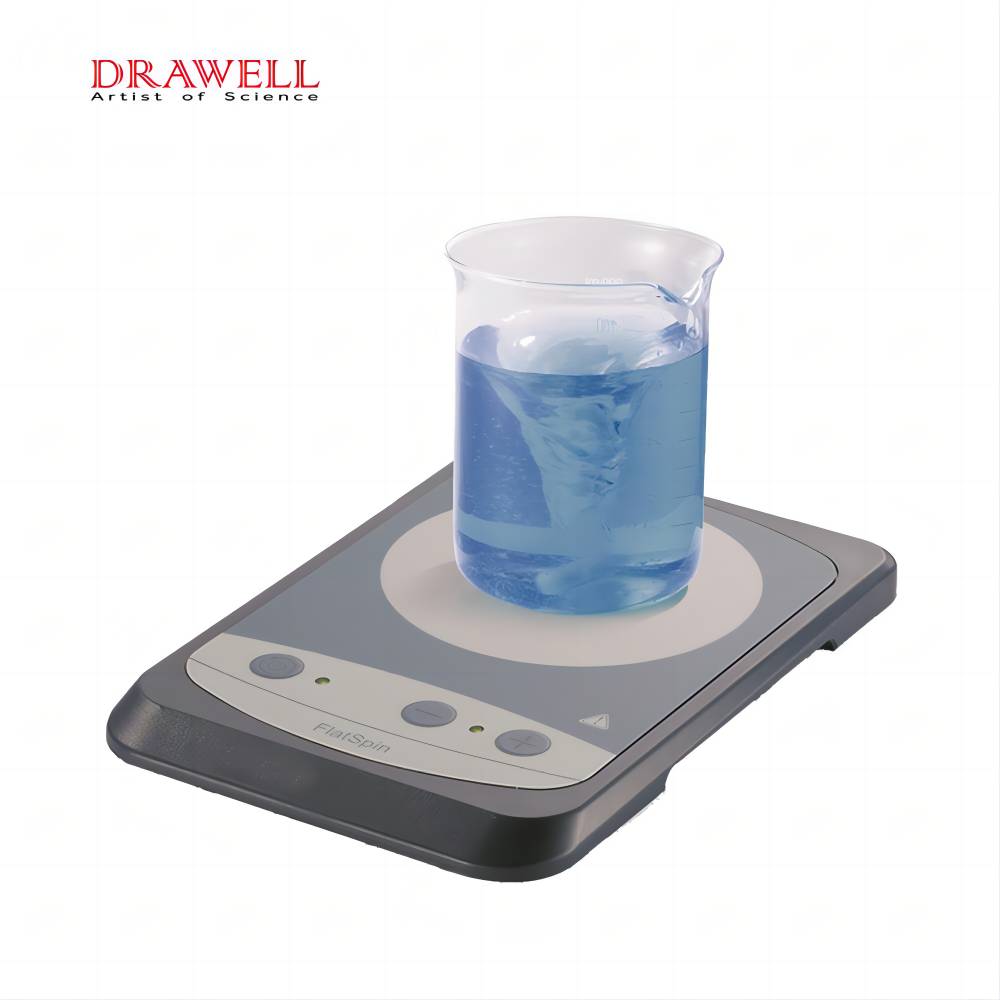
For laboratories seeking a compact and efficient solution, the Ultra-Flat Compact Magnetic Stirrer FlatSpin is an excellent choice. Its design ensures minimal space usage while providing reliable performance for buffer circulation during Western blot transfer.
Maintaining buffer temperature during Western blot transfer is essential for achieving consistent and high-quality results. By using magnetic stirrers and implementing pre-transfer gel washing, laboratories can prevent overheating, ensure uniform protein transfer, and improve overall experimental outcomes. For more information on laboratory equipment, visit Drawell Analytical.
About the Author

