
In an age where focus spans are dwindling, and visual content reigns supreme, the convergence of text and video has develop into a compelling way to convey data and engage audiences. animatediff to video technologies, also recognized as TTV, has emerged as a transformative tool, bridging the gap among the written word and the captivating globe of video. In this report, we’ll explore the idea of text to video, its applications, and how it’s reshaping the way we communicate in a visually-driven digital landscape.
Text to video technologies basically requires converting written content, such as articles, weblog posts, or even social media updates, into dynamic video content. This process generally incorporates narration, animations, and photos to make a compelling visual narrative. The main objective is to make information additional accessible and engaging, as video content material tends to be extra shareable, digestible, and focus-grabbing than static text.
One of the key applications of text to video technology is in content advertising. Organizations and content material creators use TTV to repurpose their written content material into video type, opening new channels for audience engagement. Through visual storytelling, they can breathe life into their articles and infographics, creating the content additional relatable and memorable for viewers. This not only boosts the appeal of their content material but also extends their reach to a broader audience on video-centric platforms like YouTube and social media.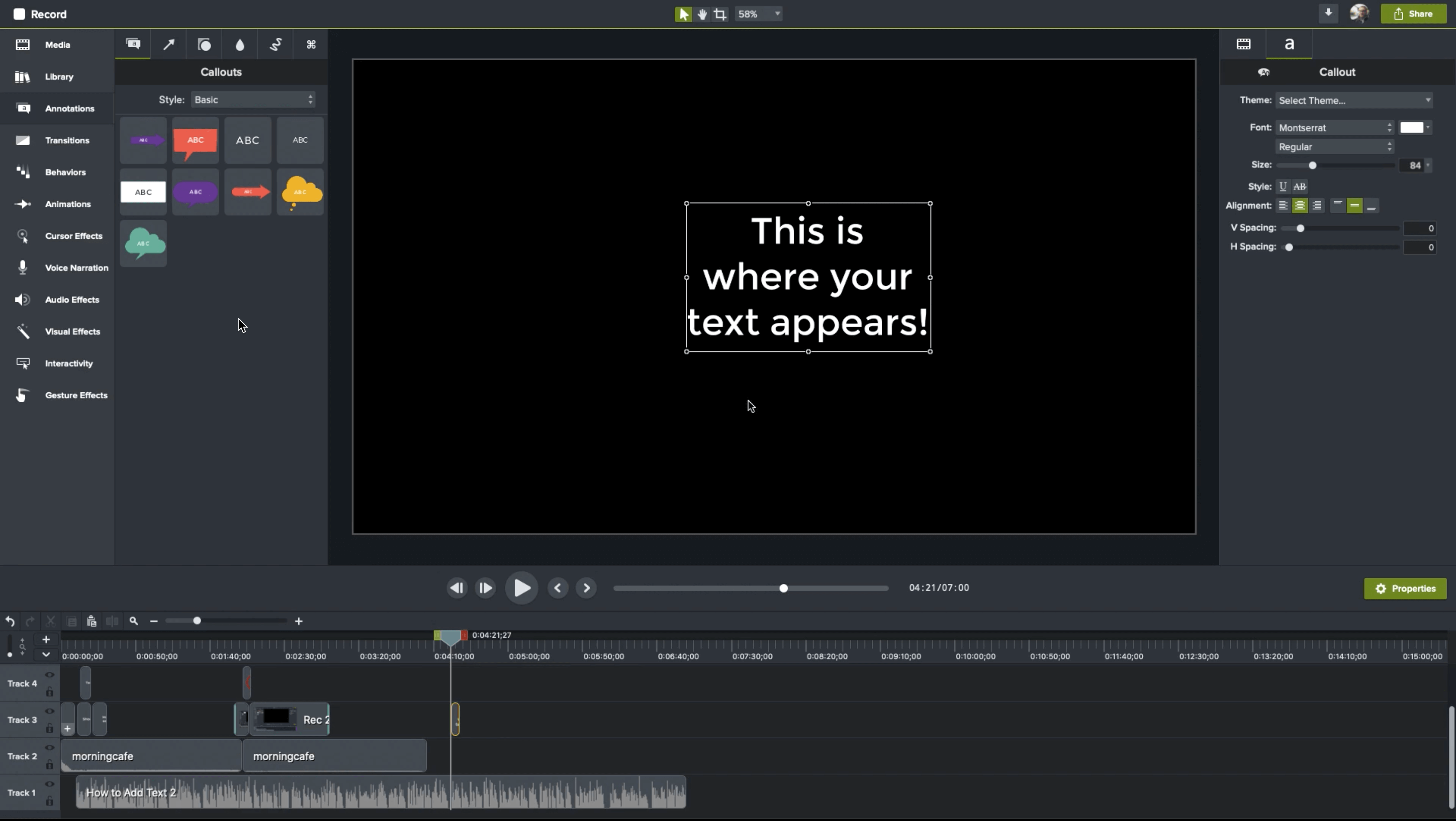
Additionally, the educational sector has embraced text to video technology as a potent tool for know-how dissemination. Instructors and trainers can convert their course materials into video lectures, enhancing the finding out knowledge for students. This approach caters to diverse finding out designs, producing complex subjects more accessible and engaging. It also enables learners to critique content material at their personal pace and facilitates remote or on the internet education.
TTV has also identified a household in the world of news and journalism. Numerous news outlets utilize this technologies to present stories in a a lot more captivating manner. By transforming written news articles into video reports, they can convey information with a higher emotional effect, leveraging visuals and audio to make a much more immersive viewer experience. This shift has been especially significant in the age of digital media, exactly where news consumption increasingly happens on multimedia platforms.
One of the most notable applications of text to video is in the realm of accessibility. It opens up new avenues for creating content material extra inclusive. TTV is a boon for those with visual or reading impairments, as it gives an alternative indicates of accessing facts. Closed captions and sign language interpretation can be seamlessly integrated, creating video content a lot more inclusive to a broader audience.
Notably, TTV is not restricted to pros or companies with specialized application. Various user-friendly platforms and tools have produced this technology accessible to a wide range of customers. These platforms normally supply customizable templates, allowing users to make visually attractive videos without having substantial technical expertise. This democratization of TTV empowers folks and smaller sized organizations to harness the possible of video content.
As with any technology, the rise of TTV also raises inquiries about its effect. Though it gives several added benefits, such as enhanced engagement and accessibility, there are issues about the prospective for misinformation or manipulation. The ease with which text can be transformed into video content also suggests that unverified or misleading information and facts can be disseminated a lot more successfully.
In conclusion, text to video technologies is a dynamic innovation that has redefined how we consume and communicate information and facts. It transforms the written word into engaging video content material, producing it extra accessible, shareable, and appealing. From content promoting to education, news, and accessibility, TTV has a wide array of applications that continue to evolve as technology advances. As this technologies becomes increasingly prevalent, it is crucial to strike a balance between its rewards and the require for responsible and correct info dissemination in the digital age.
About the Author