Finding comfortable dresses for girls is about more than choosing a pretty color or attractive design. A dress should allow a girl to move freely, feel relaxed, and enjoy her day without constantly adjusting her clothing. Whether she is attending a family gathering, going to school, celebrating a birthday, or spending time outdoors, comfort can make a major difference in how confidently she wears her outfit.
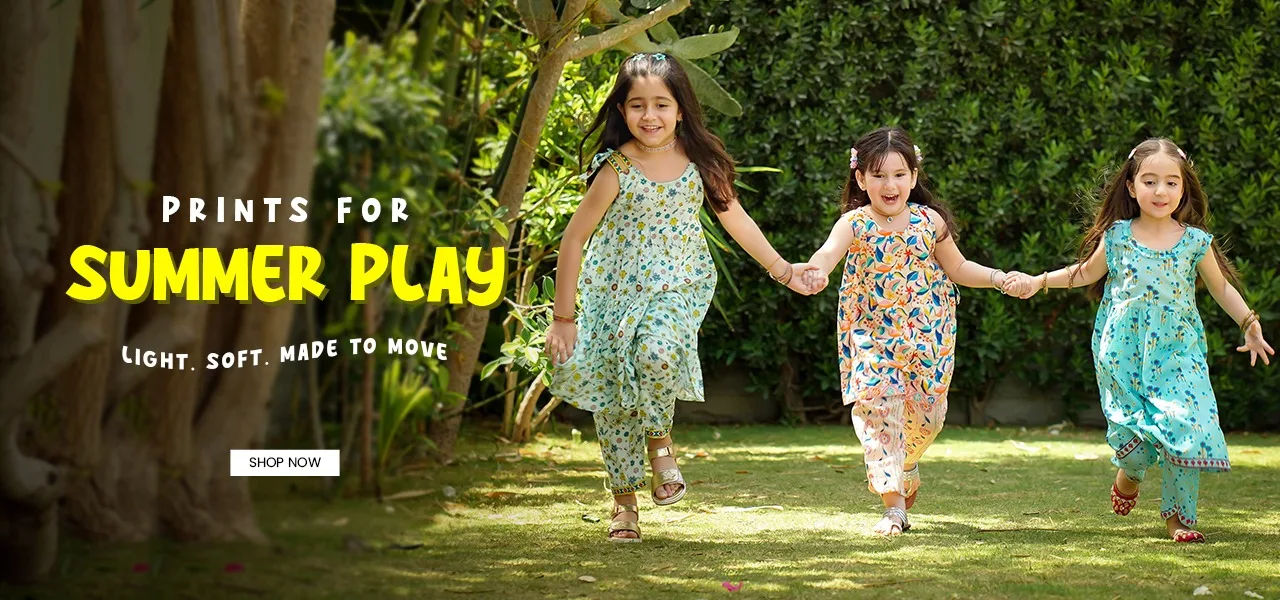
A comfortable dress combines the right fabric, fit, length, design, and practical details. These elements work together to create clothing that looks good while remaining easy to wear for several hours. Understanding these features can help parents and girls choose outfits that are both stylish and comfortable.
Why Comfort Matters in Girls' Clothing
Comfort affects how a child behaves and feels throughout the day. If a dress is too tight, itchy, heavy, or difficult to move in, the wearer may become distracted. Instead of enjoying an event, she may spend time pulling sleeves, fixing the neckline, or adjusting the skirt.
Well-designed dresses for girls should support natural movement. A girl should be able to walk, sit, bend, play, and participate in activities without feeling restricted.
Comfort is also connected with confidence. When clothing feels natural on the body, a girl is more likely to feel relaxed and confident in social situations.
The Importance of Choosing the Right Fabric
Fabric is one of the first things to consider when selecting a comfortable dress. Different materials feel different against the skin, and some are more suitable for everyday wear than others.
Soft and Breathable Materials
Cotton is a popular choice because it is generally soft, breathable, and comfortable for regular use. It can work particularly well during warmer weather because it allows air to circulate around the body.
Cotton blends can also provide comfort while offering additional benefits such as easier maintenance or improved durability.
For summer events, lightweight fabrics are often preferable. They help prevent the dress from feeling too warm or heavy.
Avoiding Irritating Fabrics
Some fabrics may feel rough or uncomfortable, especially when worn for several hours. Scratchy lace, stiff decorations, or poorly finished seams can irritate sensitive skin.
When shopping for dresses for girls, it is useful to check both the outer fabric and the inside of the garment. A dress may look beautiful from the outside but still be uncomfortable if the inner seams or lining are rough.
A Comfortable Fit Makes a Big Difference
Fit is another important factor. A dress should not be extremely tight, but it should also not be so loose that it becomes difficult to manage.
The shoulders should sit naturally without pulling. The waist should provide enough room for comfortable movement, and the armholes should not dig into the skin.
Allowing Room to Move
Children are naturally active. Even at formal events, they may walk around, sit on the floor, play with other children, or move between different areas.
A comfortable dress should allow these movements without placing unnecessary pressure on the body.
A slightly relaxed fit can often be more practical than a very fitted design. However, excessive fabric can also become inconvenient, particularly when walking or playing.
Choosing the Correct Size
Buying the correct size is essential. A smaller size may look fitted but can become uncomfortable quickly. A much larger size may create problems with sleeves, waistlines, or hemlines.
Parents should consider both the child's current measurements and the intended use of the dress. If the outfit will be worn for a special event lasting several hours, comfort should be given priority over an extremely close fit.
The Dress Length Should Be Practical
Length can strongly affect how easy a dress is to wear. A dress that is too long may drag on the ground, become dirty, or create a tripping risk.
For active children, a practical length can make walking and playing easier. Shorter dresses may provide greater freedom of movement, while knee-length or slightly longer styles can offer a balance between comfort and coverage.
For formal occasions, longer dresses can still be comfortable when the skirt is lightweight and designed with enough room for movement.
The important point is that length should match the girl's age, activity level, and occasion.
Comfortable Waist Designs
The waist is an area that can easily affect comfort. Tight waistbands may create pressure, especially when a dress is worn for a long period.
Elastic waist designs can provide flexibility and make changing easier. Adjustable waist details can also be useful because they allow the garment to accommodate natural growth.
Some dresses use a loose or slightly gathered waist instead of a fitted waistband. These designs can provide additional comfort while maintaining an attractive appearance.
Sleeves and Armholes Should Allow Movement
Sleeves can change how comfortable a dress feels. Tight sleeves may make it difficult to raise the arms, while very wide sleeves can get in the way during activities.
Short sleeves, cap sleeves, and sleeveless designs can work well in warm weather. Long sleeves may be more suitable for cooler temperatures.
The armholes should also be carefully considered. They should not press against the underarm or restrict movement.
For dresses for girls, comfortable sleeve construction is especially important because children often move their arms naturally throughout the day.
Lightweight Designs Are Easier to Manage
Heavy dresses can become tiring after several hours. Multiple layers, thick fabrics, large embellishments, and heavy accessories may add unnecessary weight.
A lightweight dress is often easier to wear for birthdays, weddings, school events, and family celebrations.
This does not mean that formal dresses need to be plain. Decorative elements can still be included, but they should be positioned thoughtfully and should not make the garment uncomfortable.
Decorations Should Be Comfortable Too
Embellishments can make a dress look special, but they should not interfere with comfort.
Sequins, beads, embroidery, ribbons, and appliques should be securely attached. More importantly, they should not scratch the skin or create hard areas that become uncomfortable when sitting.
A soft lining can help protect the skin from decorative details. It can also make the inside of a formal dress feel smoother.
Avoiding Excessive Decorations
Too many decorations can make a dress heavy and difficult to care for. They may also catch on furniture or other objects.
Simple decorative details can often provide an elegant appearance without sacrificing practicality.
This is especially useful when choosing dresses for girls that need to be worn for an entire day rather than just for photographs.
Easy Closures Make Dressing Simpler
A dress can be beautiful but difficult to wear if its buttons, zippers, or other closures are complicated.
Simple closures can make dressing and changing much easier. Zippers should move smoothly, while buttons should be securely attached and easy to handle.
For younger girls, parents may prefer designs that allow quick dressing. Older girls may appreciate dresses that they can put on and remove independently.
Practical construction can save time and reduce frustration.
Breathability Is Important in Warm Weather
In hot climates, breathability becomes especially important. A dress that traps heat can quickly become uncomfortable.
Lightweight cotton, linen blends, and other breathable materials may be suitable choices depending on the occasion and care requirements.
Loose silhouettes can also improve airflow. Avoiding excessive layers can help keep the body cooler.
Comfortable dresses for girls should be selected according to the season rather than relying only on appearance.
Warm-Weather and Cold-Weather Comfort
Different seasons require different clothing choices.
During summer, lightweight fabrics, breathable construction, and relaxed designs are usually more comfortable. Bright colors and simple silhouettes can also create a fresh seasonal appearance.
In colder weather, dresses can be paired with tights, leggings, cardigans, or jackets. A dress does not necessarily need to be extremely thick to provide a warm outfit.
Layering gives parents more flexibility because additional clothing can be added or removed depending on the temperature.
Easy-Care Dresses Are More Practical
Comfort is not only about how a dress feels while wearing it. Maintenance also matters.
Children's clothes may encounter food, dirt, grass, and other everyday messes. Dresses that require complicated cleaning can become inconvenient for parents.
Machine-washable or easy-care fabrics can be useful for regular outfits. For special dresses, parents should check the care label before purchasing.
A dress that is simple to wash and maintain is more likely to become a practical part of a girl's wardrobe.
Matching Comfort With the Occasion
The best dress depends on where it will be worn.
Everyday Wear
For everyday use, comfort should usually be the main priority. Soft fabrics, simple designs, and easy closures are practical choices.
A casual dress should allow walking, playing, sitting, and other normal activities.
Parties and Celebrations
Party dresses can include more decorative elements, but comfort should not be ignored.
Soft linings, flexible waistlines, manageable lengths, and lightweight skirts can make formal clothing easier to wear.
A girl should be able to enjoy the celebration instead of worrying about her outfit.
School and Formal Events
School events may require a more polished appearance. However, the dress should still allow natural movement.
Simple silhouettes are often useful because they combine neat appearance with practicality.
Consider the Girl's Personal Preferences
Comfort is partly subjective. One girl may love a particular fabric or style, while another may dislike it.
Parents can involve the child in the selection process. Asking whether the fabric feels soft, whether the sleeves are comfortable, or whether she can move easily can provide useful information.
Personal preference can also affect confidence. When a girl likes what she is wearing, she may feel more comfortable socially.
Check the Dress Before Buying
Before purchasing a dress, it is helpful to inspect several details.
Check the seams for rough edges. Examine the neckline to make sure it does not feel too tight. Look at the waistband and consider whether it provides enough flexibility.
If possible, allow the girl to sit, walk, raise her arms, and move around while trying the dress.
These simple checks can reveal comfort problems that may not be obvious while standing still.
Balance Style and Practicality
Choosing comfortable clothing does not mean giving up style. Modern dresses for girls are available in many designs that combine attractive colors, beautiful patterns, and practical construction.
A well-designed dress can have elegant embroidery, tasteful prints, attractive sleeves, or a beautiful skirt while still remaining comfortable.
The key is balance. Decorative features should complement the dress instead of making it difficult to wear.
How Parents Can Build a Comfortable Wardrobe
A girl's wardrobe should contain different types of dresses for different situations.
A few simple everyday dresses can provide comfortable options for regular activities. Some slightly more polished dresses can work for family gatherings or school events. A formal dress can be reserved for weddings, birthdays, and other special occasions.
Choosing versatile pieces can also reduce unnecessary spending. Dresses that can be styled with different shoes, cardigans, jackets, or accessories can be worn in several ways.
Conclusion
Comfortable clothing can make a noticeable difference in a girl's daily experience. The best dress is not simply the one that looks attractive on a hanger. It should feel comfortable against the skin, provide enough room for movement, and suit the occasion where it will be worn.
When choosing dresses for girls, parents should pay attention to fabric, fit, length, sleeves, waist design, closures, weight, breathability, and care requirements. These details may seem small, but together they determine whether a dress feels easy or difficult to wear.
A comfortable dress gives a girl the freedom to move naturally and focus on what really matters, whether she is attending a celebration, spending time with family, going to school, or enjoying an ordinary day.
Ultimately, the best choice combines practicality with personal style. When comfort and appearance work together, girls can feel confident, relaxed, and ready for whatever their day brings.
About the Author